Navigating Traffic Laws for Out-of-State Drivers in 2026

Navigating traffic laws can be challenging, especially for out-of-state drivers who may not be familiar with the regulations in different areas. In 2026, understanding these laws is crucial for maintaining safety and avoiding penalties. This article explores the essential traffic laws that out-of-state drivers need to know, offering practical tips and insights into the most common challenges they might face. We also highlight how resources like driverpass.ai can assist in preparing for these regulations with AI-powered practice tests.
Understanding State-Specific Traffic Laws
Each state in the U.S. has its own set of traffic laws, which can vary significantly from one state to another. For out-of-state drivers, this means a transition period where familiarizing oneself with local rules is necessary. Key differences often include speed limits, rules around right turns on red, and parking regulations. For instance, while some states might allow right turns on red after a complete stop, others may prohibit it altogether. Understanding these nuances is essential to avoid inadvertent violations. Apps like driverpass.ai can be invaluable, offering state-specific practice tests that help drivers acclimate to new rules quickly.
Speed limits are a common example of where out-of-state drivers often encounter issues. While driving through rural areas, one might encounter higher speed limits compared to urban settings, which often have more stringent restrictions. Additionally, school zones and construction areas typically have reduced speed limits that are strictly enforced. Familiarity with these can prevent costly fines and ensure the safety of all road users. Utilizing AI-driven platforms like driverpass.ai can help simulate driving scenarios that emphasize these specific conditions, offering a practical learning experience.

Parking Regulations and Signage
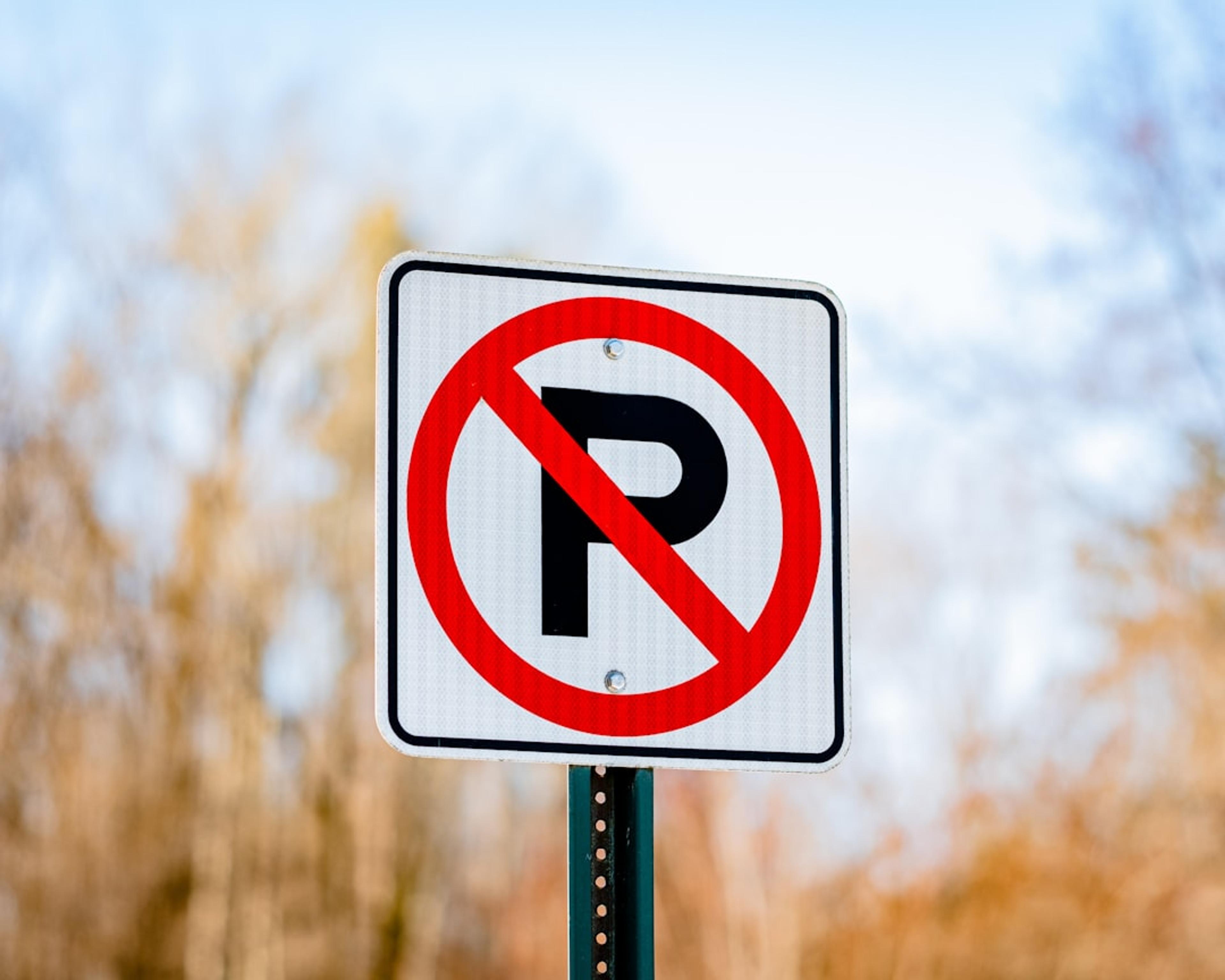
Parking regulations can be particularly tricky for out-of-state drivers, as they not only vary by state but also by city. Common regulations include time-limited parking, residential-only zones, and metered parking. Failure to comply with these rules can lead to fines or towing. It's advisable to always read parking signs carefully and use digital tools that can provide updates on local parking rules. Driverpass.ai, for example, offers modules that help drivers identify and understand various parking signs, ensuring they are well-equipped with the knowledge to park legally.
Essential Documentation for Out-of-State Drivers
When driving in a state other than your own, having the proper documentation is crucial. Out-of-state drivers must ensure they carry a valid driver’s license, registration, and proof of insurance at all times. Some states also require additional documentation, such as emissions test results or specific permits for certain types of vehicles. It's important to check the DMV website of your destination for any additional requirements. Preparing these documents in advance can save time and prevent potential legal issues. Driverpass.ai can guide users through the documentation process with checklists and reminders, ensuring nothing important is overlooked.
Insurance requirements can also vary, with some states requiring higher minimum coverage levels than others. For instance, states like New York and New Jersey have no-fault insurance laws that mandate specific coverage types. Being aware of these requirements before traveling can prevent complications in the event of an accident. Driverpass.ai offers resources that outline these differences, helping drivers ensure they meet all necessary insurance criteria.
Handling Traffic Stops and Violations
Traffic stops can be stressful, especially when driving in an unfamiliar state. It's important to know how to handle these situations calmly and correctly. If pulled over, drivers should remain in their vehicle, keep their hands visible, and comply with the officer's requests. Understanding your rights during a traffic stop is also critical. For instance, while you must provide identification, you are not required to consent to a vehicle search without probable cause. Driverpass.ai provides resources on how to handle traffic stops effectively, ensuring drivers feel prepared and confident.
Conclusion
Navigating traffic laws as an out-of-state driver requires awareness and preparation. By understanding state-specific regulations, ensuring you have the proper documentation, and knowing how to handle traffic stops, you can drive confidently and safely in any state. Resources like driverpass.ai offer comprehensive practice tests and educational tools to help you prepare for these challenges, ensuring you're not caught off guard. Stay informed, practice regularly, and make use of available resources to ensure a smooth driving experience across state lines.

