Mastering Defensive Driving: Essential Tips and Techniques

Defensive driving is a crucial skill set that every driver should master to ensure the safety of themselves, their passengers, and everyone else on the road. With increasing traffic congestion and diverse driving conditions, adopting a defensive driving mindset can significantly reduce the risk of accidents and road rage incidents. This comprehensive guide will delve into the essential techniques and strategies of defensive driving, offering actionable tips and insights to enhance your driving proficiency. By integrating these practices into your daily driving routine, you can navigate the roads more confidently and safely.
Understanding Defensive Driving
Defensive driving is not just about following traffic rules; it's about anticipating potential hazards and making well-informed decisions to avoid them. This proactive approach involves maintaining a safe distance from other vehicles, being aware of your surroundings, and adjusting your driving according to road conditions and the behavior of other drivers. The primary goal of defensive driving is to reduce the risk of road incidents by improving your reaction time and decision-making skills. It's about being prepared for the unexpected, such as sudden stops, erratic drivers, or changes in weather conditions.
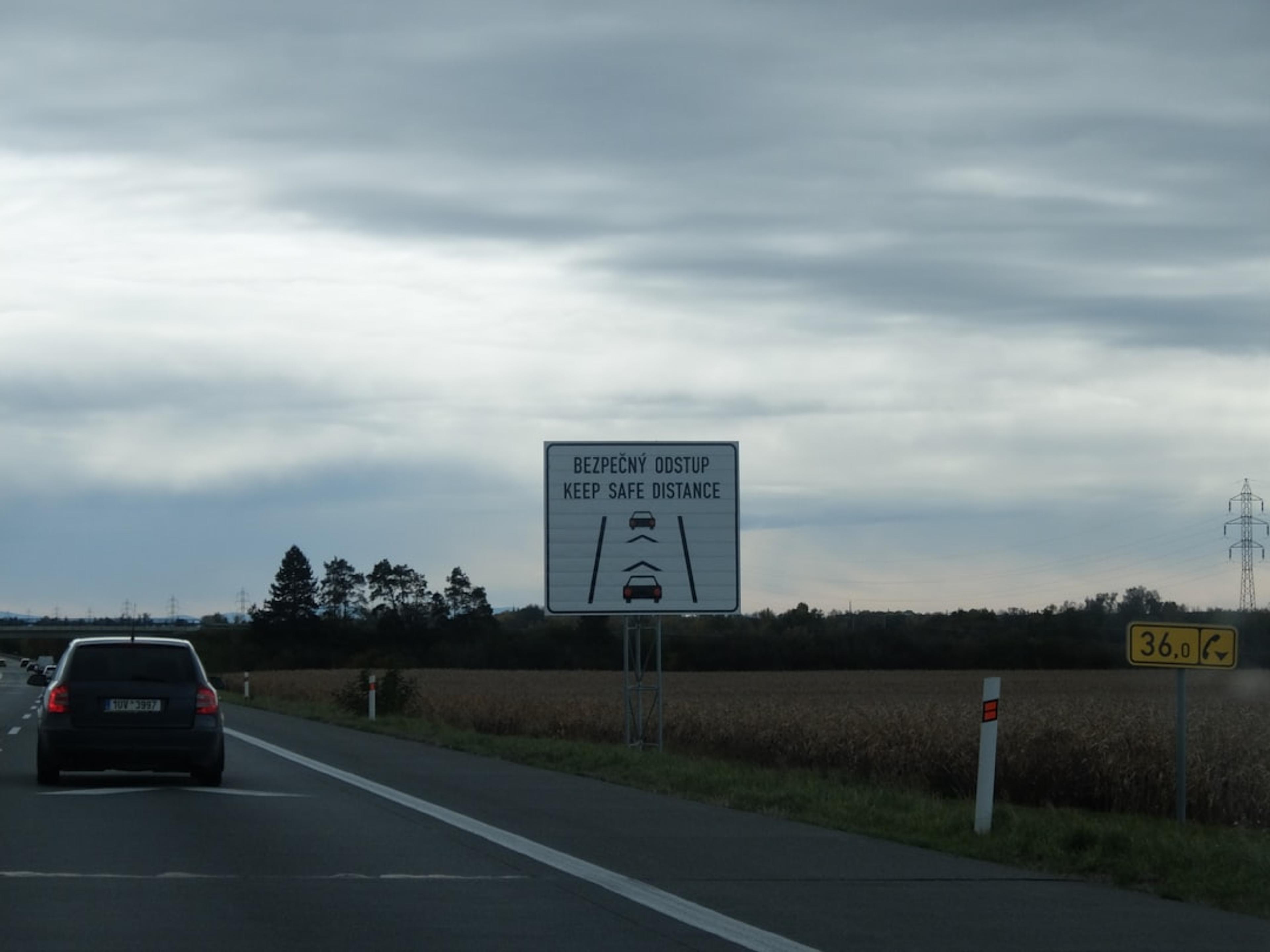
A key component of defensive driving is the concept of 'space cushioning,' which involves maintaining a safe distance from the vehicle in front of you. This buffer zone gives you ample time to react to sudden movements or stops. Additionally, defensive drivers are vigilant and use their mirrors frequently to monitor the actions of vehicles around them. By being aware of your surroundings, you can anticipate potential hazards and make timely decisions to avoid them. Defensive driving also includes being courteous and patient, avoiding aggressive behaviors like tailgating or weaving through traffic.

The Importance of Anticipation
Anticipation is a crucial aspect of defensive driving. It involves predicting possible scenarios and preparing for them in advance. For example, if you notice a driver ahead who is weaving between lanes, it's prudent to increase your following distance and be ready for sudden stops or lane changes. Similarly, when approaching intersections, always assume that other drivers might not yield the right of way or stop at red lights. By anticipating these possibilities, you can adjust your speed and position to avoid potential collisions.
Key Defensive Driving Techniques
One of the fundamental techniques in defensive driving is maintaining a safe following distance. The 'three-second rule' is a widely recommended guideline, which suggests that you should keep a three-second gap between your vehicle and the one ahead. In adverse weather conditions or when driving larger vehicles, increase this gap to ensure adequate stopping time. Another important technique is to scan the road ahead continuously. This involves looking beyond the immediate car in front of you to identify potential hazards early, such as merging traffic or road obstructions.
Defensive drivers also use their turn signals effectively to communicate their intentions to other road users. This simple practice can prevent misunderstandings and reduce the likelihood of accidents. Additionally, always be prepared for the unexpected by keeping your hands on the wheel and your eyes on the road. Avoid distractions such as mobile phones or eating while driving, as these can significantly impair your ability to react quickly to sudden changes in traffic conditions. Apps like driverpass.ai offer valuable resources to practice these skills with interactive quizzes and scenarios.

Adapting to Weather Conditions
Weather conditions can greatly impact driving safety, and adapting your driving style is essential in ensuring safety. In rainy conditions, roads can become slippery, reducing tire traction. It's important to slow down, increase following distances, and be extra cautious when turning or stopping. During foggy conditions, use your fog lights and keep your headlights on low beam to improve visibility without blinding other drivers. In snowy or icy conditions, gentle steering and braking are crucial to maintaining control. Always clear snow and ice from your vehicle before driving to ensure maximum visibility. Driverpass.ai can provide tailored practice scenarios to help you adapt to various weather conditions effectively.
Avoiding Common Defensive Driving Mistakes
Even experienced drivers can fall into complacency, leading to common mistakes that compromise defensive driving principles. One such mistake is failing to adjust speed according to the traffic flow and road conditions. Speeding reduces your reaction time and increases the severity of collisions. Always drive at a speed that is safe for the current conditions, even if it means driving below the speed limit. Another frequent error is neglecting to check blind spots. Always perform a quick shoulder check before changing lanes or merging to ensure there are no vehicles in your blind spot.
Overconfidence can also lead to defensive driving lapses. It's important to recognize your limits and avoid risky maneuvers such as aggressive overtaking or running yellow lights. Additionally, never assume other drivers will act predictably or follow traffic rules. Keep a safe distance, be patient, and prepared to react to unexpected actions from others. Apps like driverpass.ai offer simulations and practice tests to help you identify and correct these common mistakes, reinforcing safe driving habits.
The Role of Awareness and Focus
Awareness and focus are integral to defensive driving. Staying alert and focused enables you to respond swiftly to any changes on the road. Fatigue, distraction, and impairment are significant factors that diminish your ability to concentrate. Ensure you are well-rested before driving, especially on long trips. If you begin to feel drowsy, take a break or switch drivers if possible. Avoid using your phone while driving; if necessary, use hands-free devices to minimize distractions. Remember, a lapse in attention, even for a few seconds, can lead to serious accidents.
Developing situational awareness is also crucial. This means continuously monitoring the road, other vehicles, pedestrians, and any potential hazards. Use your mirrors frequently, and be mindful of your vehicle's blind spots. Adjust your driving to accommodate weather conditions, traffic patterns, and road layouts. By maintaining a high level of awareness and focus, you can make informed decisions that keep you and others safe. Practicing these skills with tools like driverpass.ai's AI-powered quizzes can enhance your awareness and focus over time.

Conclusion: Enhancing Your Defensive Driving Skills
Mastering defensive driving is a continuous journey that requires practice, patience, and a commitment to safety. By incorporating the techniques and strategies discussed in this guide, you can significantly reduce your risk of accidents and ensure a safer driving experience for yourself and others. Remember to practice regularly and stay informed about the latest road safety tips. As an additional resource, consider using driverpass.ai to test your knowledge and refine your skills with their comprehensive practice tests and interactive scenarios. Stay vigilant, drive safely, and make defensive driving a part of your everyday routine.

