Essential Electric Vehicle Knowledge for DMV Test

As electric vehicles (EVs) become more prevalent on roads worldwide, understanding their operation and maintenance is crucial for anyone preparing for their DMV written test. Unlike traditional gasoline-powered vehicles, EVs come with unique features and requirements that every driver should know. This guide will provide a comprehensive overview of essential electric vehicle knowledge, from basic principles to specific DMV test questions you might encounter. By integrating this information with tools like driverpass.ai, you can ensure you’re fully prepared for your DMV exam and ready to embrace the future of driving.
Understanding Electric Vehicle Basics
Electric vehicles operate differently from their gasoline counterparts primarily due to their reliance on electricity stored in batteries to power an electric motor. Familiarizing yourself with this fundamental difference is critical for the DMV test. Understanding the components of an EV, such as the battery, electric motor, and regenerative braking system, will provide a solid foundation. The battery, often lithium-ion, is the most significant component, dictating the vehicle's range and charging requirements. Electric motors, typically more efficient than internal combustion engines, deliver instant torque and smooth acceleration, factors often highlighted in DMV questions. Furthermore, regenerative braking systems allow EVs to convert kinetic energy back into stored energy, increasing efficiency—a concept frequently covered in DMV practice tests available on platforms like driverpass.ai.
Additionally, understanding the environmental benefits of EVs, such as reduced emissions and lower operating costs, is crucial. These vehicles contribute significantly to reducing greenhouse gas emissions, aligning with many states' sustainability goals, which is a potential topic on DMV tests. Moreover, the concept of 'range anxiety'—the fear of depleting battery charge before reaching a charging station—can influence driving behavior and is an essential point for both practical and written exams. Using driverpass.ai to access practice questions on these topics can greatly aid in reinforcing your knowledge.
Charging and Infrastructure
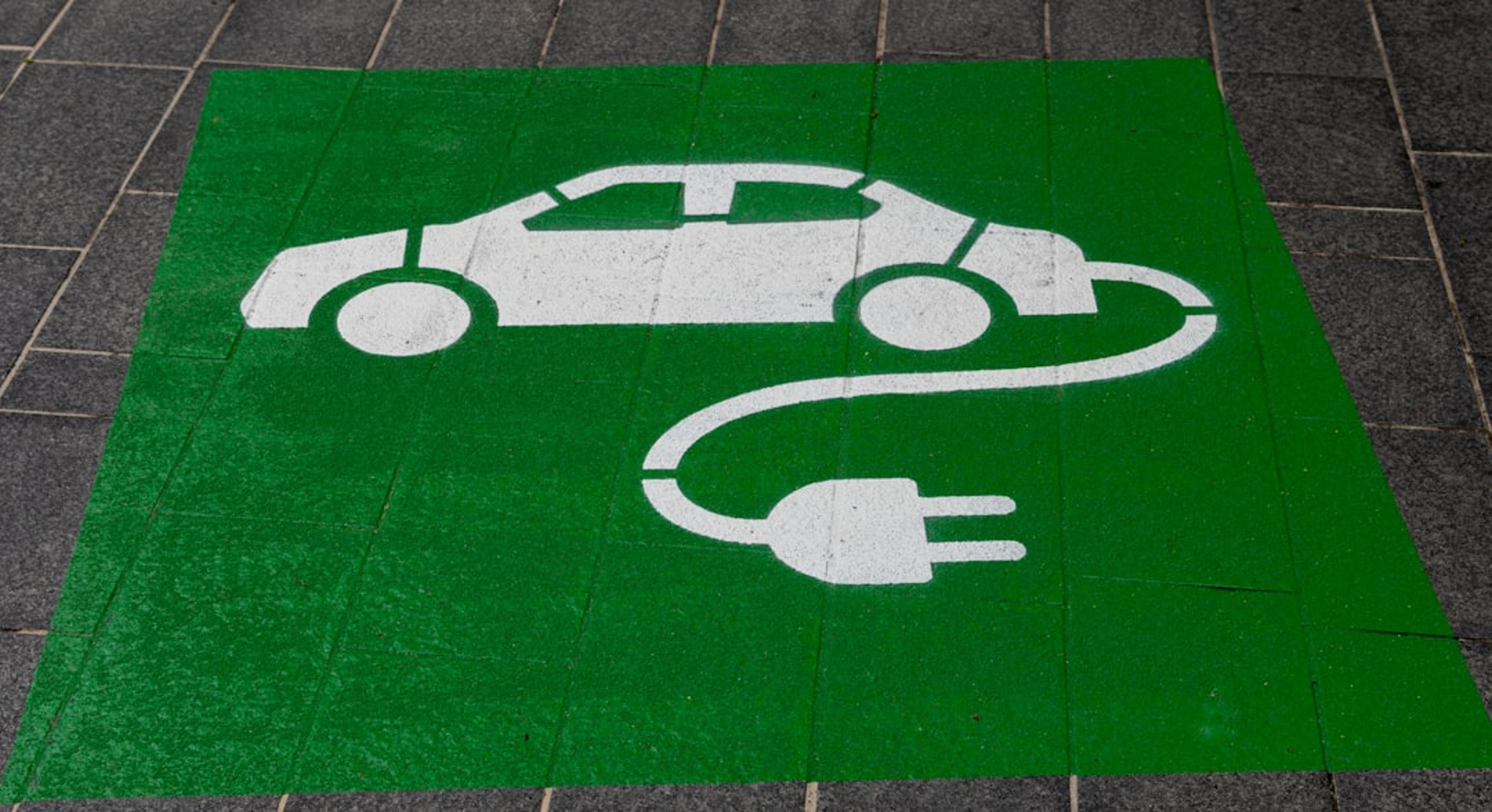
Charging infrastructure is a pivotal aspect of electric vehicle ownership and a critical topic for DMV tests. Understanding the types of charging stations—Level 1, Level 2, and DC Fast Charging—and their respective charging times is essential knowledge. Level 1 chargers use standard household outlets and are suitable for overnight charging, whereas Level 2 chargers require special installations but provide faster charging times. DC Fast Chargers, often found along highways, can recharge an EV battery to 80% in about 30 minutes, a fact that could appear on your DMV test. Familiarity with these details can ease the transition to EV driving and is often tested in DMV exams.
Furthermore, knowing how to locate these stations using apps or onboard vehicle systems is vital, as is understanding the costs associated with each charging level. Many DMV written tests include questions on these topics to ensure new drivers can plan their trips effectively and manage their vehicles' energy needs. Incorporating driverpass.ai into your study routine can provide you with realistic practice scenarios and questions related to EV charging infrastructure.

Common Charging Pitfalls
Despite the growing network of charging stations, new EV drivers often encounter challenges such as malfunctioning chargers or stations occupied for extended periods. Understanding these challenges, along with strategies for efficient charging, can be beneficial. For instance, planning routes that include multiple charging options and maintaining a charging schedule can mitigate common issues. DMV tests may include questions about these practical challenges to ensure drivers are prepared for real-world scenarios.
Safety Features and Regulations
Electric vehicles are equipped with advanced safety features that enhance driving safety and efficiency. Understanding these features is crucial for the DMV written test. Many EVs include advanced driver-assistance systems (ADAS) such as lane-keeping assist, adaptive cruise control, and automatic emergency braking, which are integral to modern vehicle safety. These systems not only provide a safer driving experience but also help in maximizing energy efficiency by optimizing driving patterns.
Additionally, familiarity with specific EV regulations, such as emissions standards and incentives for EV ownership, can be beneficial for the DMV exam. Many states offer incentives like tax credits and rebates to encourage the adoption of electric vehicles. Being aware of these can not only aid you in your test but also provide practical benefits as an EV owner. Driverpass.ai can offer practice questions that focus on these safety features and regulations, providing a well-rounded preparation experience.
Maintenance and Longevity of Electric Vehicles
Maintaining an electric vehicle involves different considerations compared to gasoline-powered cars. The absence of an internal combustion engine means fewer moving parts and potentially less maintenance. However, understanding the maintenance needs of an EV, such as battery health, tire care, and brake system upkeep, is vital. Regular software updates and monitoring battery degradation are essential practices to ensure longevity and optimal performance.
Battery health, in particular, is a crucial aspect of EV maintenance. The DMV test may include questions on how to extend battery life, such as avoiding extreme temperatures and maintaining moderate charge levels. Additionally, knowing how to perform basic maintenance tasks—like checking tire pressure and understanding brake system functionality—is necessary for safe driving. Resources like driverpass.ai can provide detailed practice questions and guides on EV maintenance, helping you become a more informed driver.

Conclusion
Successfully navigating the DMV written test requires a thorough understanding of electric vehicles' unique aspects, from their operation and maintenance to charging infrastructure and safety features. By integrating the knowledge gained from this guide with practical resources like driverpass.ai, you can enhance your preparation and approach your test with confidence. Remember, understanding these concepts not only helps you pass the test but also makes you a more knowledgeable and responsible driver in the evolving landscape of electric transportation.

