Mastering One-Way Street Rules for Safe Driving

Navigating through one-way streets can be a daunting task for new drivers. These streets are designed to improve traffic flow and safety, but misunderstanding the rules can lead to serious consequences. Whether you're preparing for your DMV knowledge test or simply aiming to enhance your driving skills, understanding one-way street rules is crucial. This article will guide you through the essential aspects of one-way street regulations, providing you with the knowledge needed to drive safely and confidently.
Understanding One-Way Streets
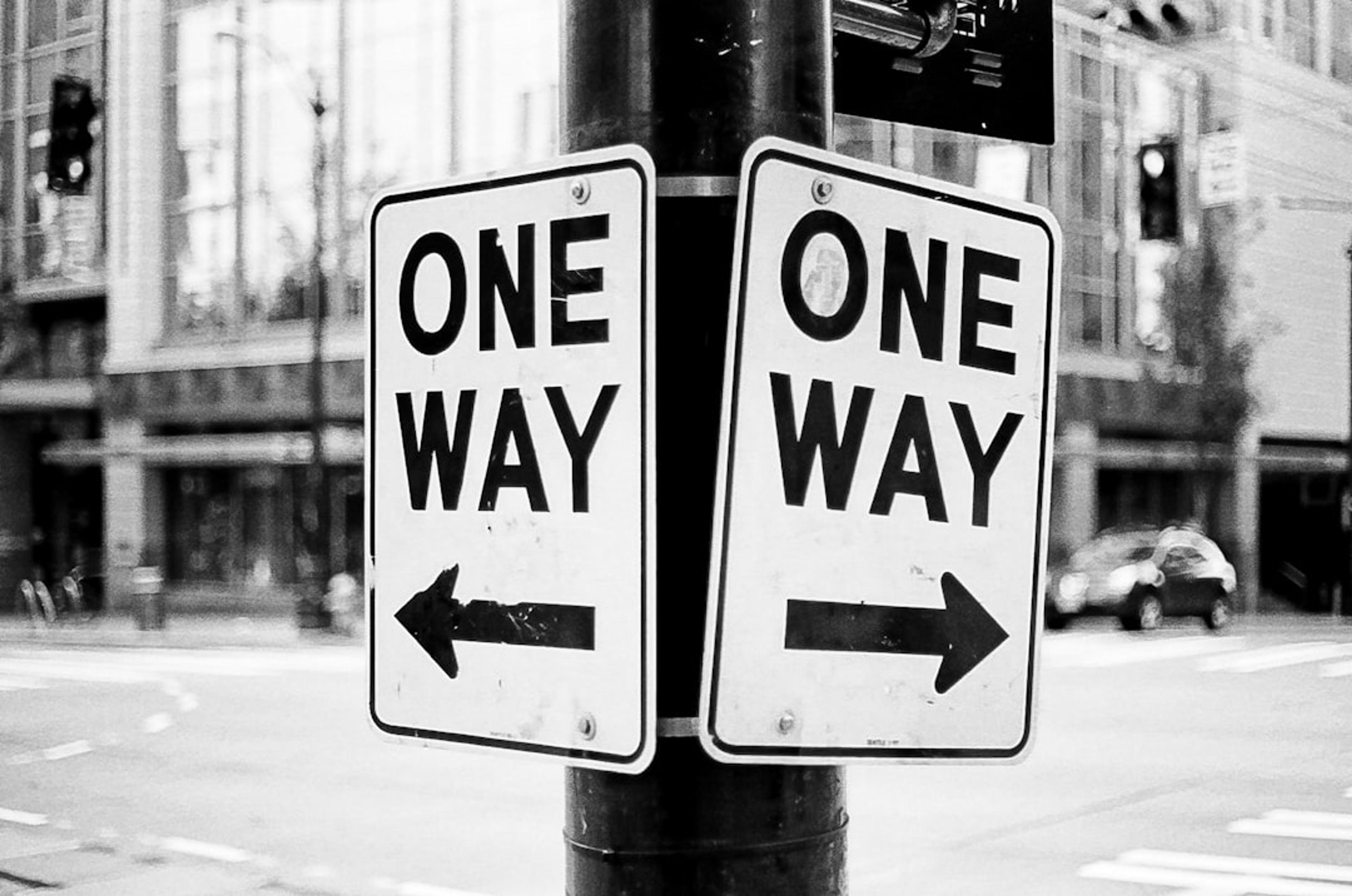
One-way streets are designed to direct traffic in a single direction, which helps to reduce congestion and the potential for head-on collisions. The key to mastering one-way street navigation is recognizing the signs and markings that indicate these roads. Common signs include the rectangular 'One Way' sign with an arrow pointing in the direction of traffic flow, and sometimes 'Do Not Enter' signs at the opposite end. Pavement markings, such as directional arrows and the word 'ONLY', also provide important cues. It's essential to pay close attention to these signs and markings to avoid entering a one-way street from the wrong direction, which could lead to dangerous situations.
Driving on one-way streets involves understanding and adhering to specific rules. For instance, when turning onto a one-way street, always make sure to enter it in the direction indicated. If you're on a two-way street making a turn onto a one-way street, ensure you're in the correct lane to make the turn safely. Remember, on one-way streets, you can generally make turns at red lights after stopping, unless otherwise posted. These small but critical details are often tested in DMV knowledge exams, making it imperative to be well-versed in them.
Common Mistakes and How to Avoid Them
A frequent mistake drivers make is failing to notice the signs that indicate a one-way street, leading to potentially hazardous wrong-way entries. To avoid this, always scan the road for signs and markings before proceeding. Another common error is improper lane usage; drivers might turn from the incorrect lane, especially when transitioning from two-way to one-way streets. Avoid this by planning your route and lane changes ahead of time. Additionally, driving too fast on one-way streets can reduce your reaction time to changes and risks, so always adhere to posted speed limits.
Importance of Practicing One-Way Street Rules
Understanding the rules is just the beginning; practice is crucial for mastering one-way street navigation. Consider using tools like driverpass.ai, which offers practice tests designed to simulate real DMV exams. These tests can help reinforce your understanding of one-way street rules and provide valuable feedback on your readiness. Practicing with scenarios that focus on identifying signs, making correct turns, and avoiding common mistakes will build your confidence and competence behind the wheel.
Real-life practice is equally important. Whenever you have the opportunity, drive through areas with one-way streets. Pay attention to how traffic flows and how other drivers navigate these roads. Observe the positioning of signs and pavement markings, and practice making turns under different conditions. This hands-on experience is invaluable and complements the theoretical knowledge gained from practice tests and studying.

Pro Tips for Safe Navigation
Here are some expert tips for safely navigating one-way streets: Always keep an eye on traffic from all directions, especially when entering a one-way street from an intersection. Use your mirrors and check blind spots to ensure no vehicles or cyclists are in your path. Avoid distractions such as mobile phones, as one-way streets often require quick decision-making. Lastly, always be prepared for the unexpected, such as a vehicle entering the wrong way or pedestrians crossing unexpectedly, by maintaining a cautious speed and alertness.
Conclusion
Mastering one-way street rules is an essential skill for any driver. By understanding the signs, avoiding common mistakes, and practicing regularly, you can navigate these streets with confidence. Utilize resources like driverpass.ai to test your knowledge and prepare for your DMV exam effectively. Remember, safe driving on one-way streets not only ensures your safety but also that of other road users. Stay informed, stay practiced, and always drive responsibly.

