Efficient One-Day Guide to Oregon DMV Processes

Navigating the Oregon DMV can be a daunting task, especially if you're trying to accomplish multiple tasks in a single day. Whether you're applying for a driver’s license, renewing a registration, or scheduling a driving test, knowing how to optimize your visit can save you time and stress. This guide provides an in-depth look at how to efficiently tackle your DMV needs in Oregon. By understanding the processes and utilizing tools like driverpass.ai, you can streamline your DMV experience and ensure a successful outcome.
Preparing for Your DMV Visit
The key to a successful and efficient DMV visit in Oregon is preparation. Before heading out, ensure you have all necessary documents. For a driver's license application, you'll need identification, proof of residence, and potentially proof of legal status in the U.S. It's also crucial to verify the validity of your documents and check for any specific requirements based on your situation. Scheduling an appointment online can significantly reduce waiting times. Oregon DMV offers an online appointment system to help manage your visit better. Additionally, familiarize yourself with the DMV location nearest to you and its operational hours, as these can vary. Consider using resources like driverpass.ai, which provides comprehensive practice tests and educational materials to help you prepare for any written exams or knowledge tests.
Another essential preparation step is understanding the payment methods accepted at the DMV. Most locations accept cash, checks, and credit/debit cards, but it's always a good idea to confirm in advance. Check the DMV website for any specific instructions or updates that might affect your visit. By ensuring you have all your paperwork in order and knowing exactly what to expect, you can minimize stress and make the most of your time at the DMV.

Common Mistakes to Avoid
One common mistake is not checking for document requirements beforehand, leading to incomplete applications. Another is underestimating the time needed for a DMV visit. Even with an appointment, unexpected delays can occur. Avoid these pitfalls by planning for extra time and ensuring you have all necessary documents. Using practice tests from driverpass.ai can also help you avoid errors during any written exams.
Completing Your Driver’s License Application
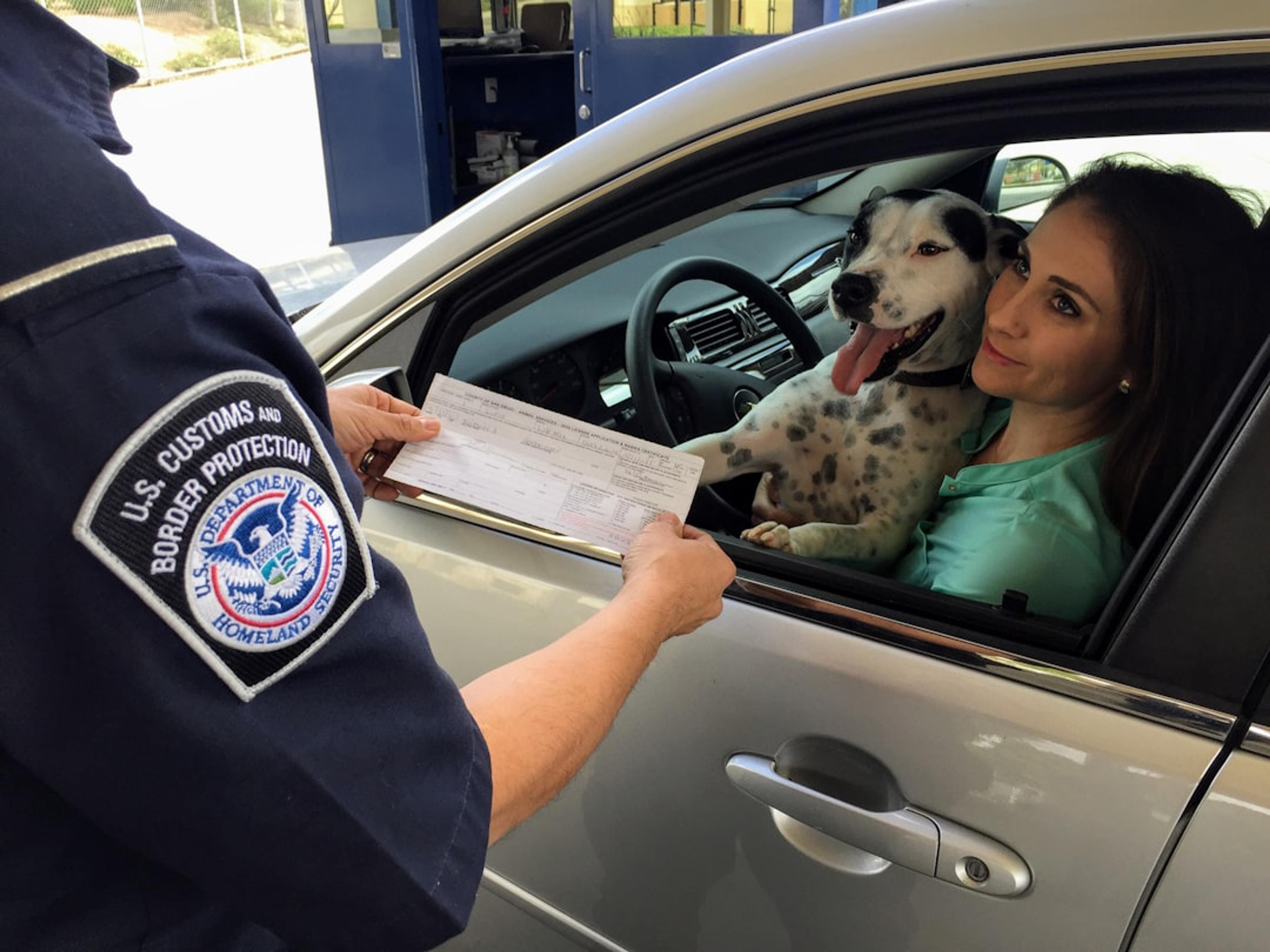
Applying for a driver's license in Oregon involves several steps. First, gather all required documents, including proof of identity, residency, and your social security number. If you're a first-time driver, you may need to provide a certificate of completion from a driver’s education course. Once your documents are ready, fill out the application form, which is available online or at the DMV. Schedule a visit through the DMV's appointment system to reduce your wait time. Upon arrival, submit your documents and application. You'll be required to pass a vision test and a knowledge test to proceed. The knowledge test can be challenging, so consider using driverpass.ai for practice tests that simulate the actual DMV exam. Passing the knowledge test is crucial, as it determines your eligibility for a learner's permit or a driver's license.
Once you've passed the necessary tests, you'll be photographed and asked to pay the applicable fees. Fees vary depending on the type of license and duration you choose. After payment, you’ll receive a temporary license until your official one arrives by mail. Keep your temporary license secure, as it's valid for driving until your permanent card is issued.
Pro Tips for the Written Test
Preparation is key to acing your written test. Use driverpass.ai to access a wide range of practice questions tailored to the Oregon DMV exam. Study the Oregon Driver Manual thoroughly and focus on sections related to traffic laws and road signs. Practice regularly and time your tests to improve speed and accuracy. On test day, stay calm and read each question carefully before answering.
Handling Vehicle Registration
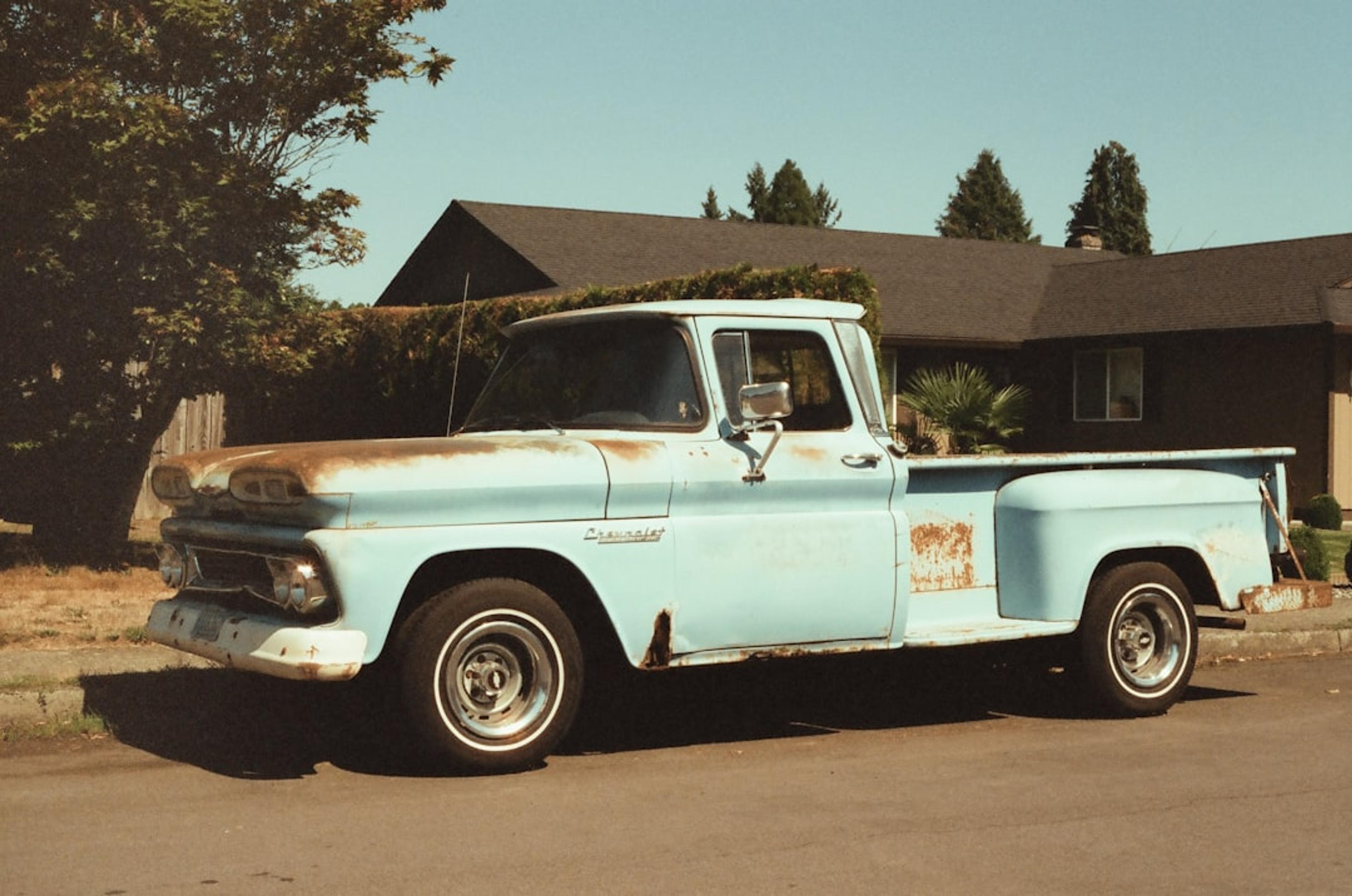
Registering a vehicle in Oregon requires a few specific steps. Start by ensuring you have the vehicle's title or proof of ownership, a valid driver's license, and a completed vehicle registration application. If you’ve purchased a new car, you may also need a bill of sale or purchase agreement. Schedule an appointment with your local DMV office to avoid long wait times. Once at the DMV, submit your documents along with the applicable registration fees. Oregon also requires emissions testing for certain vehicles, so check if this applies to you and complete the test before your DMV visit. After processing your application, you'll receive your registration and license plates. Keep these documents in your vehicle at all times as proof of registration.
It's important to note that Oregon requires vehicles to be registered within 30 days of purchase. Failing to do so can result in penalties or fines. If you're moving to Oregon, you must register your vehicle within 30 days of establishing residency. Staying informed of these timelines will help you avoid unnecessary legal issues.
Renewing Your Registration
Renewing your vehicle registration in Oregon is a straightforward process. The DMV sends renewal notices by mail, including details on fees and any required inspections. You can renew online, by mail, or in person. Online renewal is the most convenient option and typically involves fewer steps. However, if your vehicle requires an emissions test or if you've moved recently, an in-person visit may be necessary. Pay attention to the renewal deadline to avoid late fees or penalties.
Scheduling and Passing the Driving Test
Passing the driving test is the final step in obtaining your driver's license in Oregon. Schedule your test through the DMV’s online system. Ensure your vehicle meets all safety requirements and is in good working condition, as the examiner will check this before your test. Practice driving in various conditions and familiarize yourself with the test route if possible. Driverpass.ai offers driving tips and simulated test scenarios to help build your confidence. On the day of the test, bring your learner's permit, proof of insurance, and any additional required documents. Remain calm and focus on demonstrating safe driving practices, such as proper lane usage, signaling, and observing speed limits.
The driving test typically includes basic maneuvers like parallel parking, turning, and stopping at intersections. Listen carefully to the examiner's instructions and ask questions if you're unsure about any task. Passing the driving test validates your ability to operate a vehicle safely and independently. If you don't pass on your first attempt, that's okay—use the feedback and practice further before retaking the test.
Tips for Test Day Success
Test day can be nerve-wracking, but preparation can ease the stress. Get a good night's sleep before your test and eat a balanced meal for energy. Arrive at the DMV early to account for any last-minute issues. Bring all necessary documents and ensure your car is ready for inspection. Practice deep breathing to stay calm and focused. Remember, the examiner is looking for safe driving habits, not perfection.
Conclusion and Final Tips
Completing multiple tasks at the Oregon DMV in one day is feasible with proper preparation and strategy. By understanding the required documents, scheduling appointments, and practicing for tests using resources like driverpass.ai, you can make your DMV visit as efficient as possible. Stay organized, follow the guidelines outlined, and you'll be well on your way to successfully navigating the DMV. For more practice and tips, consider utilizing driverpass.ai to enhance your preparation and confidence. Remember, the goal is to equip yourself with the knowledge and skills necessary to drive safely and responsibly.

