Mastering Curbside Parking for Commercial Drivers

Curbside parking is an essential skill for commercial drivers, as they often navigate urban environments where space is limited. Understanding the nuances of parking a commercial vehicle safely and legally is crucial for avoiding fines, reducing risks, and enhancing overall road safety. This article delves into the strategies and regulations surrounding curbside parking for commercial vehicles, offering practical tips and advice to ensure that drivers can park with confidence. Whether you're a seasoned driver or just starting your career, mastering these skills is vital for your success and safety on the road.
Understanding Curbside Parking Regulations
Before you attempt curbside parking with a commercial vehicle, it's important to familiarize yourself with the relevant regulations. These regulations can vary significantly by state and locality, affecting where and how you can park. For instance, some areas may restrict commercial vehicles from parking in residential zones or limit the time you can remain parked at a curb. It's also crucial to be aware of specific signage and curb markings that indicate parking restrictions, such as red zones for fire lanes or yellow zones indicating loading and unloading areas. Understanding these regulations not only helps you avoid fines but also ensures that you are adhering to local safety requirements.
In addition to local regulations, federal guidelines may apply, particularly for large commercial vehicles. The Federal Motor Carrier Safety Administration (FMCSA) provides guidelines on safe parking practices that all commercial drivers should be aware of. These include ensuring that your vehicle is not obstructing traffic, maintaining a safe distance from intersections, and using appropriate signaling when entering or exiting a parking space. By staying informed about these regulations, you can not only comply with the law but also contribute to safer road conditions for everyone.
Techniques for Safe Curbside Parking
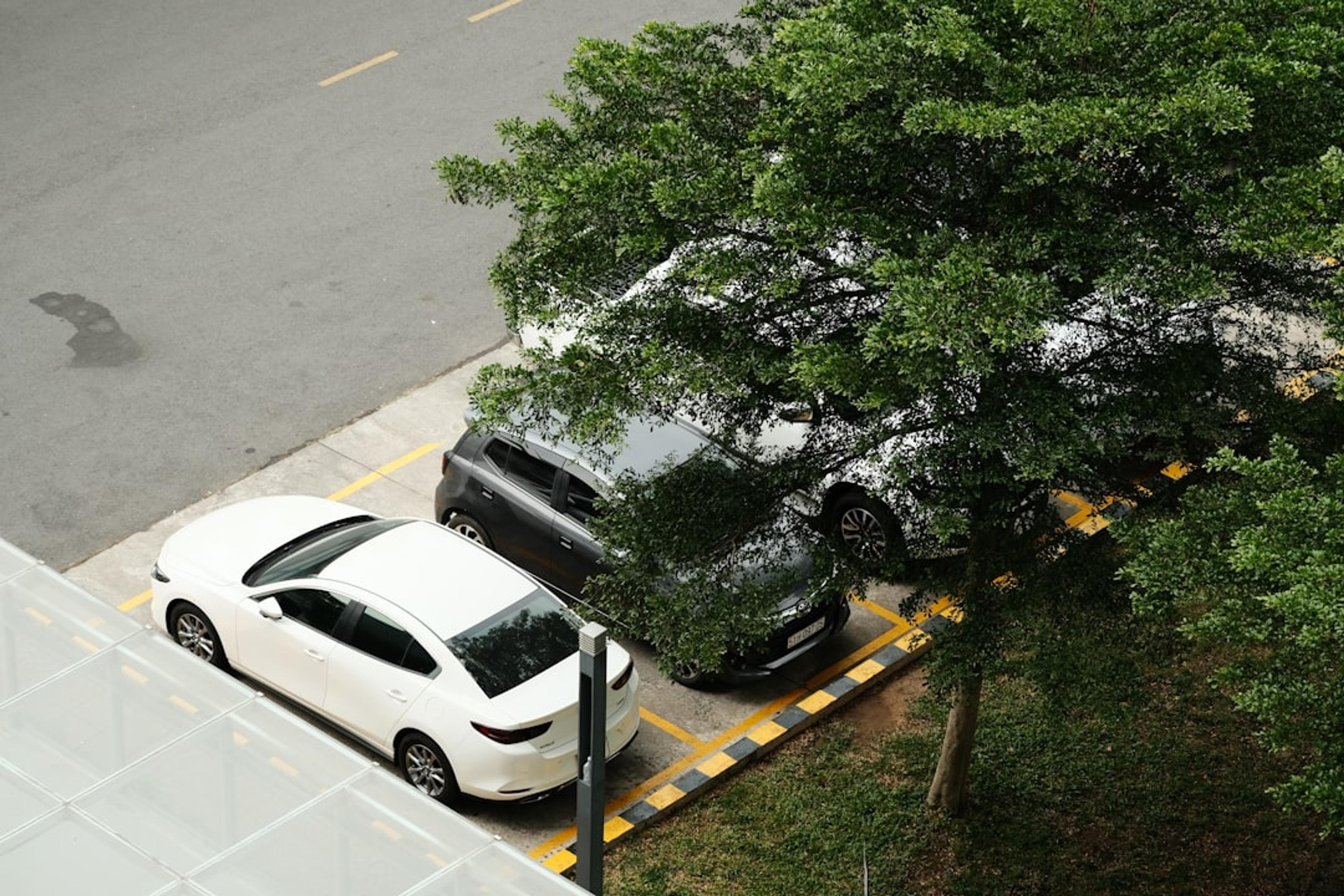
When it comes to curbside parking, technique is everything. The size and weight of commercial vehicles make maneuvering into tight spaces a challenge, requiring skill and precision. Begin by selecting a spot that provides ample space for your vehicle, avoiding areas that are too narrow or crowded. Approach the parking spot slowly and use your mirrors to gauge your distance from the curb. It's often helpful to pull ahead of the spot and then reverse into it, as this provides better control and visibility. Remember to signal your intentions to other drivers and pedestrians by using your turn signals and hazard lights as needed.
Once parked, ensure that your vehicle is as close to the curb as possible without making contact. This minimizes the risk of obstructing traffic and helps keep your vehicle secure. Always engage the parking brake to prevent any unwanted movement, especially on inclines. It's also a good practice to turn your wheels away from the curb if you're parked uphill, and towards the curb if parked downhill. These simple steps can greatly enhance the stability of your parked vehicle, reducing the risk of accidents.
Pro Tips for Efficient Parking
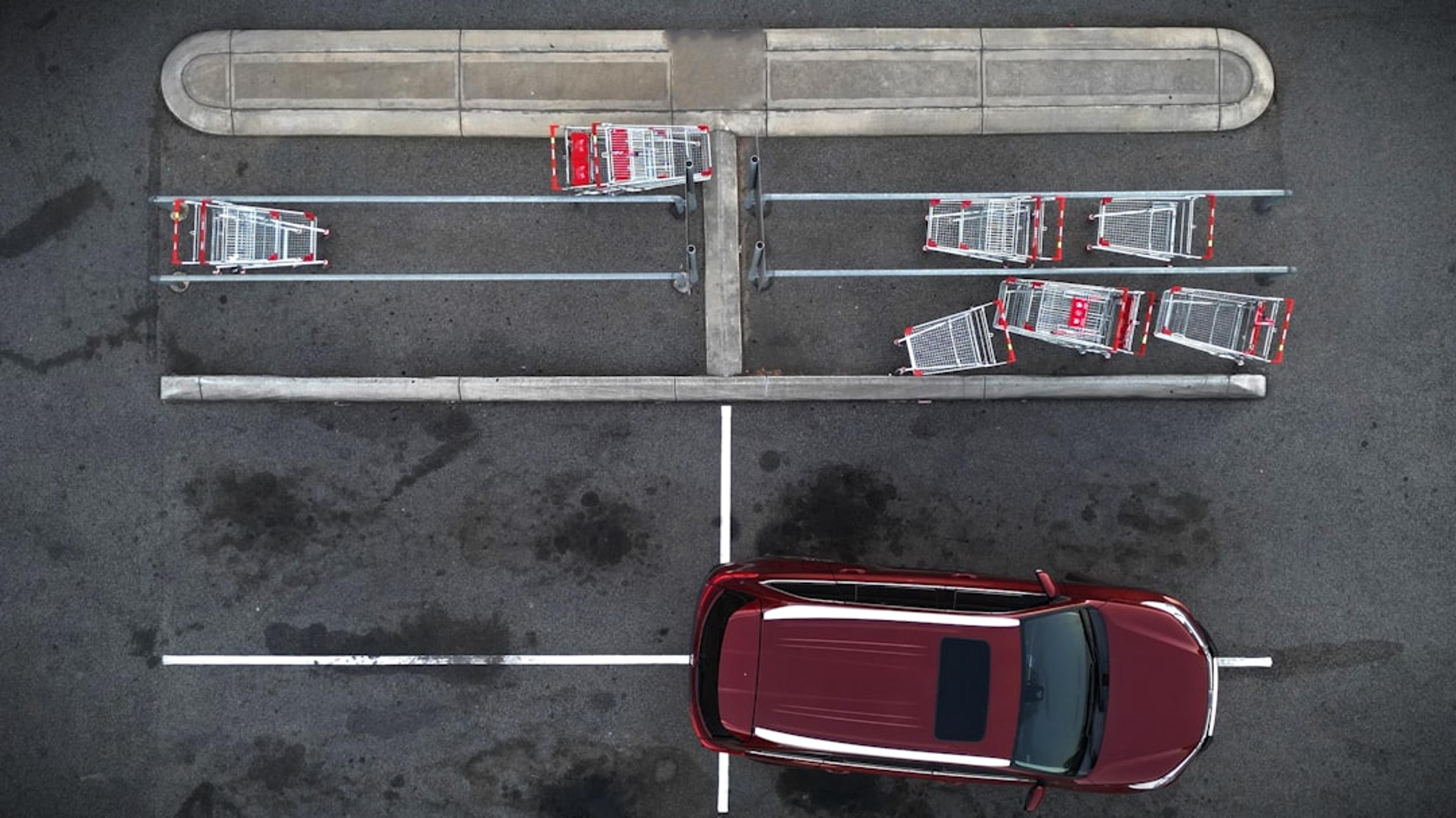
Efficiency is key when parking a commercial vehicle, especially in busy urban areas. One technique to improve efficiency is to practice parallel parking maneuvers regularly, which increases your confidence and skill in tight spots. Additionally, always plan your route to include knowledge of available parking options ahead of time. This not only saves time but also reduces stress and the likelihood of parking violations. Apps like driverpass.ai can be incredibly useful for practicing these maneuvers, offering simulated environments that mimic real-world scenarios.
Common Mistakes and How to Avoid Them
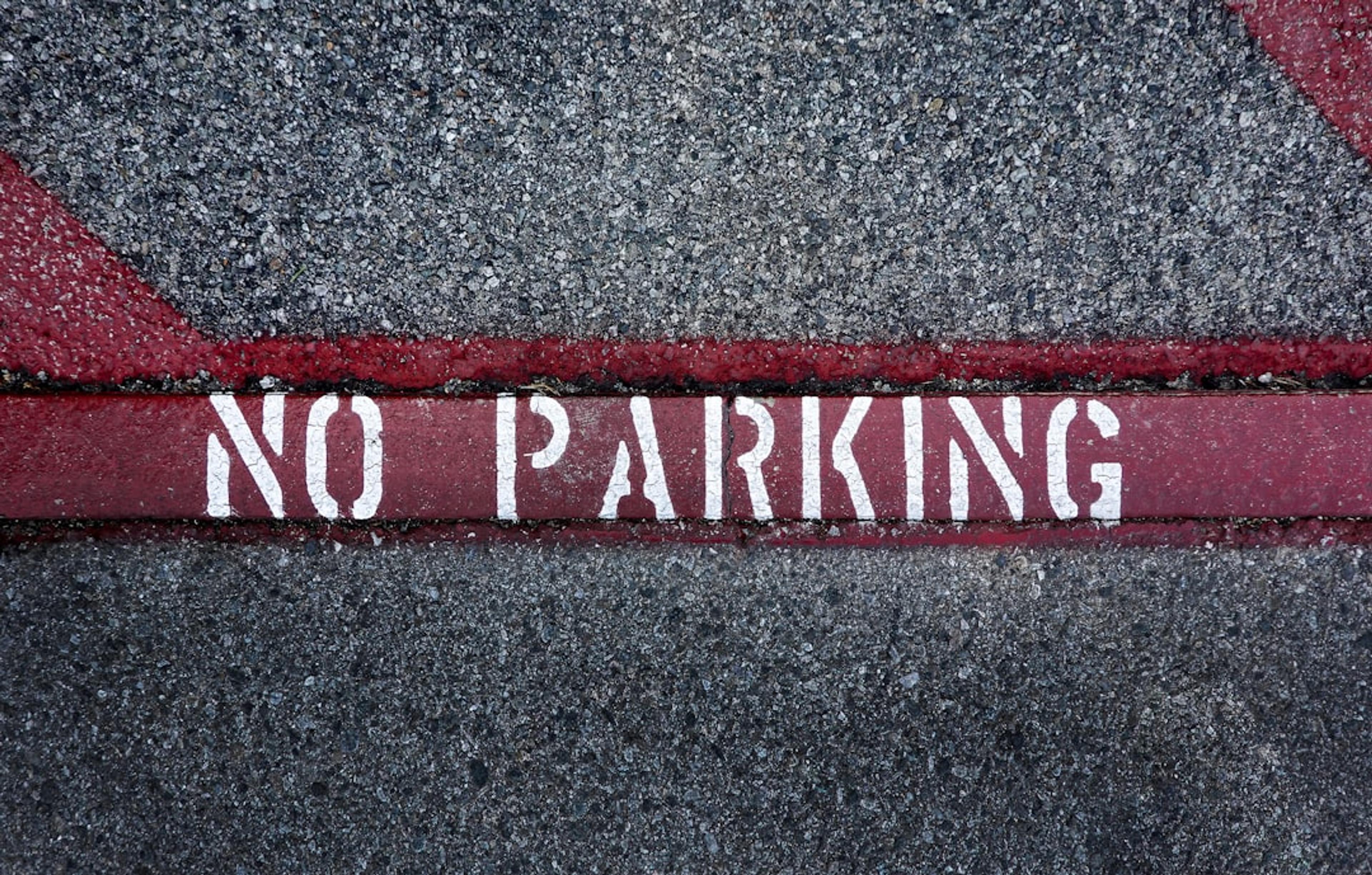
Even experienced drivers can make mistakes when it comes to curbside parking. One common error is failing to check for no-parking signs or other restrictions, which can lead to costly fines. Always survey the area thoroughly before deciding to park. Another frequent mistake is not accounting for the vehicle's overhang, which can lead to obstructing sidewalks or encroaching on other parking spaces. To avoid this, ensure your vehicle is fully aligned within the designated parking area.
Another mistake is underestimating the importance of signaling. Failing to signal can confuse other drivers and pedestrians, increasing the risk of accidents. Always use your turn signals and hazard lights as appropriate to communicate your actions clearly. Additionally, neglecting to engage the parking brake can result in vehicle movement, especially on slopes. This simple step is crucial for maintaining vehicle stability and safety. Practicing these elements in a controlled environment, such as with driverpass.ai, can help reinforce good habits and prevent these common mistakes.
Leveraging Technology for Better Parking
Technology has become an invaluable tool for commercial drivers, particularly when it comes to parking. Many modern commercial vehicles are equipped with advanced parking aids such as rearview cameras, sensors, and automated parking systems. These tools can significantly improve accuracy and safety when parking, allowing drivers to better judge distances and identify obstacles. However, it's important to remember that these technologies are aids, not replacements for proper technique and vigilance.
In addition to onboard technology, mobile apps like driverpass.ai offer comprehensive resources for drivers looking to improve their parking skills. These apps provide practice tests, simulations, and real-time feedback, allowing drivers to hone their skills in a risk-free environment. By integrating technology into your routine, you can enhance your parking capabilities and ensure that you're staying up-to-date with the latest techniques and regulations. Whether you're preparing for a DMV test or just looking to refine your skills, leveraging technology can give you the edge you need to succeed.
Conclusion: Mastering Curbside Parking
Curbside parking is a critical skill for commercial drivers that requires a combination of knowledge, technique, and practice. By understanding the regulations, employing effective parking techniques, and avoiding common mistakes, you can park safely and legally in any setting. Utilize resources like driverpass.ai to enhance your skills and stay informed about the latest parking strategies. Remember, mastering curbside parking not only protects you from fines and accidents but also contributes to a safer and more efficient driving environment for everyone.

