Understanding Vermont Traffic Laws for Immigrants in 2026

Navigating traffic laws can be a daunting task, especially for immigrants who are new to the United States. Vermont, like many other states, has specific regulations that immigrants must adhere to in order to drive legally. As we approach 2026, it's important to understand these requirements to ensure compliance and avoid legal issues. This comprehensive guide aims to break down the key points of Vermont's traffic laws for immigrants, offering actionable steps and insights to make the transition smoother. Whether you're looking to obtain a driver's license or familiarize yourself with the local driving rules, this article is your go-to resource.
Obtaining a Vermont Driver's License as an Immigrant
For immigrants residing in Vermont, obtaining a driver's license is a crucial step towards independence and integration. The process begins with understanding the specific requirements set by the Vermont Department of Motor Vehicles (DMV). Immigrants must provide proof of identity, residency, and legal presence in the U.S. Acceptable documents include a valid passport, U.S. visa, and proof of Vermont residency such as utility bills or rental agreements. It's essential to prepare these documents in advance to streamline the application process. Additionally, applicants are required to pass a vision test, a written knowledge test, and a road skills test. To aid in preparation, platforms like driverpass.ai offer practice tests that simulate the actual DMV exam, which can be a valuable resource in understanding Vermont's traffic laws and increasing the chances of passing on the first try.
Once the necessary documentation is in order, scheduling a DMV appointment is the next step. The Vermont DMV operates on an appointment-only basis, which helps manage wait times and ensures each applicant receives adequate attention. After passing the required tests, immigrants will be issued a Vermont driver's license, granting them the legal right to drive within the state. It's important to note that the license must be renewed periodically, and any changes in residency or legal status should be reported to the DMV promptly. Keeping these details in mind will help immigrants maintain their driving privileges without unnecessary complications.
Understanding the Written Knowledge Test
The written knowledge test is a critical component of the driver's license application process. It assesses the applicant's understanding of Vermont's traffic laws, road signs, and safe driving practices. The test typically consists of multiple-choice questions covering key topics such as speed limits, right-of-way rules, and the effects of alcohol on driving. To prepare effectively, immigrants can utilize online resources and study guides, including the state’s official driver's manual. Driverpass.ai provides a convenient platform with AI-powered quizzes that mimic the real test, allowing users to practice and identify areas for improvement. By dedicating time to study and practice, applicants can approach the test with confidence and improve their chances of success.
Key Traffic Laws Immigrants Should Know
Vermont has specific traffic laws that all drivers, including immigrants, must adhere to. Understanding these laws not only ensures compliance but also promotes road safety. One of the fundamental laws is the requirement to carry auto insurance. Vermont mandates that all drivers must have liability coverage to protect against potential accidents. This includes covering damages to other vehicles and property, as well as medical expenses for injuries. Driving without insurance is illegal and can result in hefty fines and license suspension. Additionally, Vermont enforces strict seat belt laws. All passengers are required to wear seat belts, and failure to comply can lead to fines and points on the driver's license.
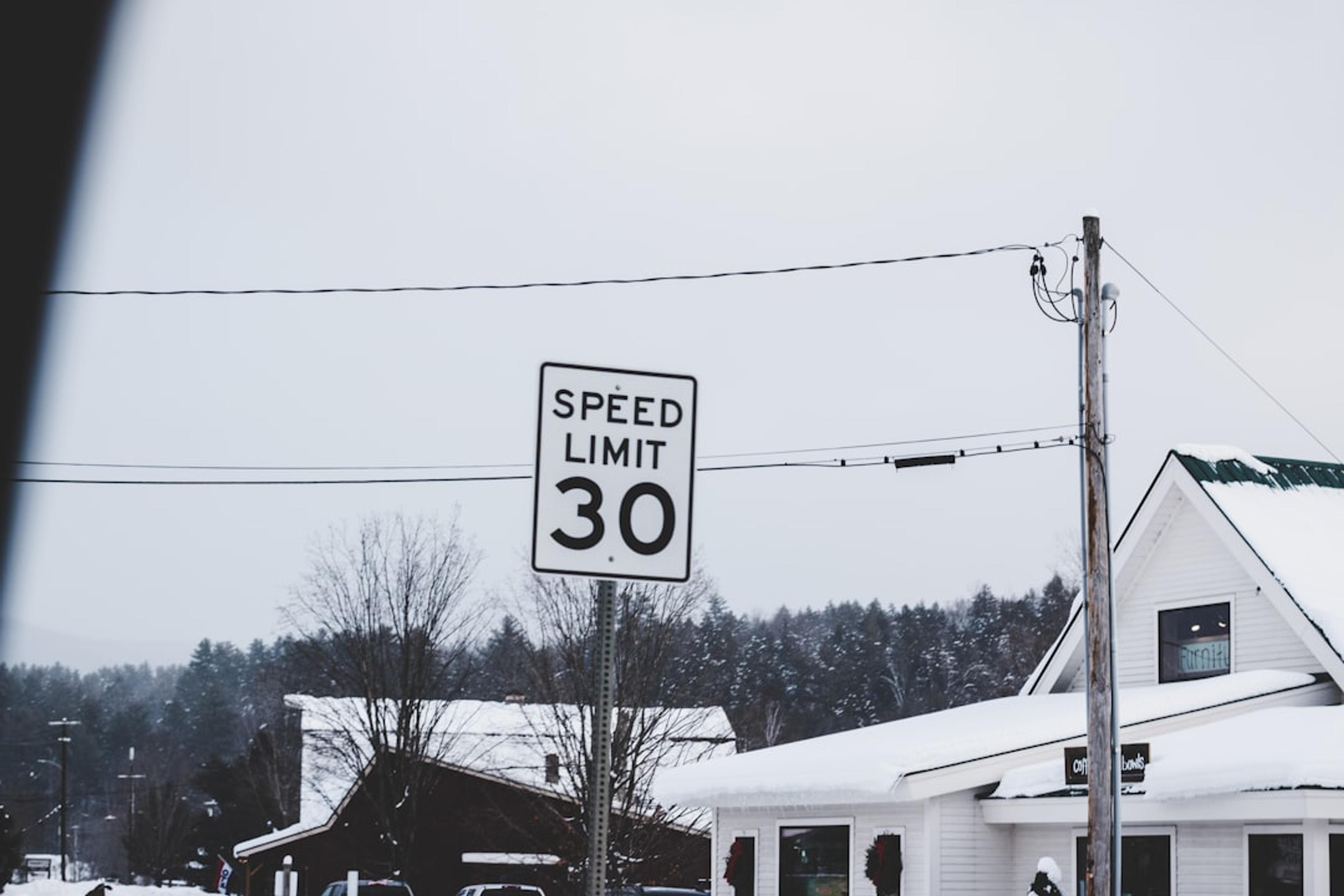
Another important regulation pertains to speed limits. Vermont has designated speed limits for different areas, such as residential zones, highways, and school zones. It's crucial for immigrants to familiarize themselves with these limits and adhere to them to avoid penalties. Moreover, Vermont has implemented distracted driving laws, prohibiting the use of handheld devices while driving. This means using a mobile phone for calls or texting is illegal unless it's hands-free. Understanding and respecting these laws help maintain safety on the roads and prevent accidents. For a more in-depth understanding, immigrants can refer to resources like the Vermont driver's manual and take advantage of practice tests available on driverpass.ai, which cover these critical topics extensively.

Pro Tips for Safe Driving in Vermont
Safe driving is paramount, not only for personal safety but also to avoid legal repercussions. One pro tip for immigrants is to always plan routes in advance, especially when driving in unfamiliar areas. This involves checking maps for the best routes and being aware of any construction or detours that might affect travel times. Additionally, understanding Vermont's weather patterns is crucial, as the state experiences significant snowfall during winter. Drivers should equip their vehicles with winter tires and practice driving in snowy and icy conditions. Maintaining a safe distance from other vehicles and reducing speed in adverse weather are essential practices. Moreover, immigrants should be aware of Vermont's wildlife, as deer crossings can be common, particularly in rural areas. Keeping an eye out for wildlife and knowing how to react can prevent accidents.
Resources for Immigrants Learning to Drive
For immigrants learning to drive in Vermont, numerous resources are available to aid in the process. The Vermont DMV website offers comprehensive information on licensing procedures, including downloadable forms and guides. Additionally, community organizations often provide support services, such as driving lessons and interpretation assistance, which can be invaluable for non-English speakers. Online platforms, like driverpass.ai, offer tailored practice tests that help familiarize immigrants with the format and content of the DMV exams. These tools are designed to build confidence and ensure a thorough understanding of the state's driving laws. Furthermore, attending workshops or classes on safe driving practices can provide practical insights and tips that are not covered in manuals.
It's also beneficial for immigrants to connect with local driving schools that offer courses specifically designed for new drivers. These schools provide hands-on driving experience and personalized feedback, which can greatly enhance learning. By leveraging these resources, immigrants can navigate the licensing process more effectively and become safe, informed drivers. Staying informed about any changes in traffic laws and continuously practicing safe driving techniques are key to maintaining a good driving record. With the right preparation and resources, immigrants can successfully integrate into Vermont's driving community.

Conclusion
In conclusion, understanding and complying with Vermont's traffic laws is essential for immigrants who wish to drive legally and safely. By obtaining the proper documentation, passing the necessary tests, and familiarizing themselves with key regulations, immigrants can enjoy the freedom and convenience of driving. Resources like driverpass.ai provide invaluable support through practice tests and study materials, making the learning process more accessible. As immigrants settle into their new lives in Vermont, staying informed and proactive about traffic laws will ensure a smooth and successful driving experience. For ongoing success, it's important to stay updated on any legislative changes and continually practice safe driving habits.
