Understanding Traffic Lights and Signals in Colorado

Navigating traffic lights is a crucial skill for any driver, especially in Colorado where diverse weather conditions and unique terrain can add complexities to driving. Understanding how traffic signals work and what they mean is essential for ensuring safety on the road. In this comprehensive guide, we'll explore the intricacies of traffic lights in Colorado, offering tips and insights to help you drive with confidence and avoid common pitfalls. Whether you're a new driver or a seasoned one looking to brush up on your knowledge, this article will provide valuable information to enhance your driving experience.
The Basics of Traffic Lights in Colorado
Traffic lights in Colorado, like in most states, are designed to manage the flow of vehicles and pedestrians at intersections. They play a critical role in preventing accidents and ensuring that traffic moves smoothly. The standard colors used are red, yellow, and green, each indicating a different action for drivers. A red light means stop, a green light means go, and a yellow light warns that the light is about to change to red, advising drivers to slow down and prepare to stop. In Colorado, understanding these signals is especially important given the state's variable weather conditions, which can affect visibility and road conditions. It's important to always be alert and cautious, particularly at busy intersections where multiple lanes of traffic converge.
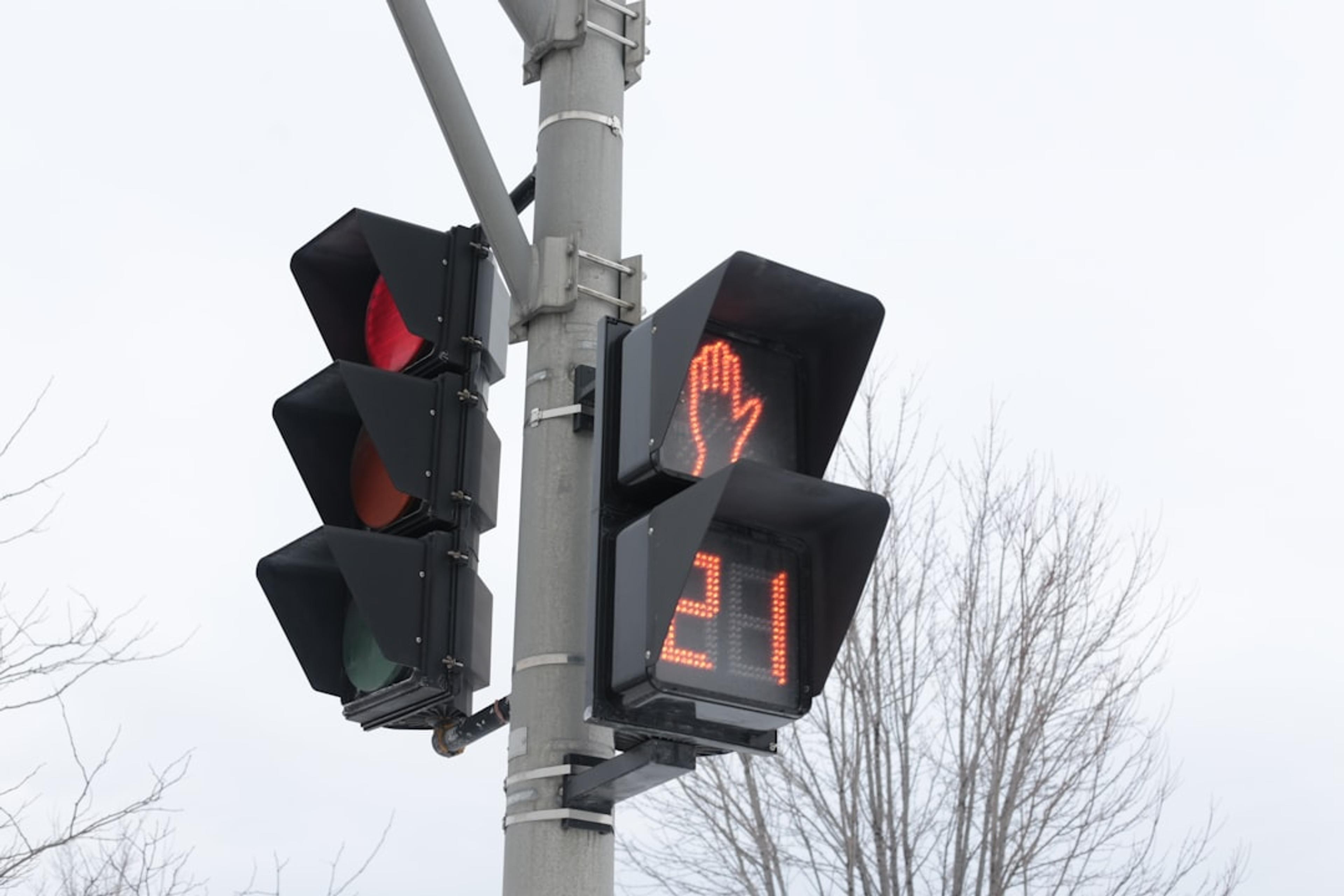
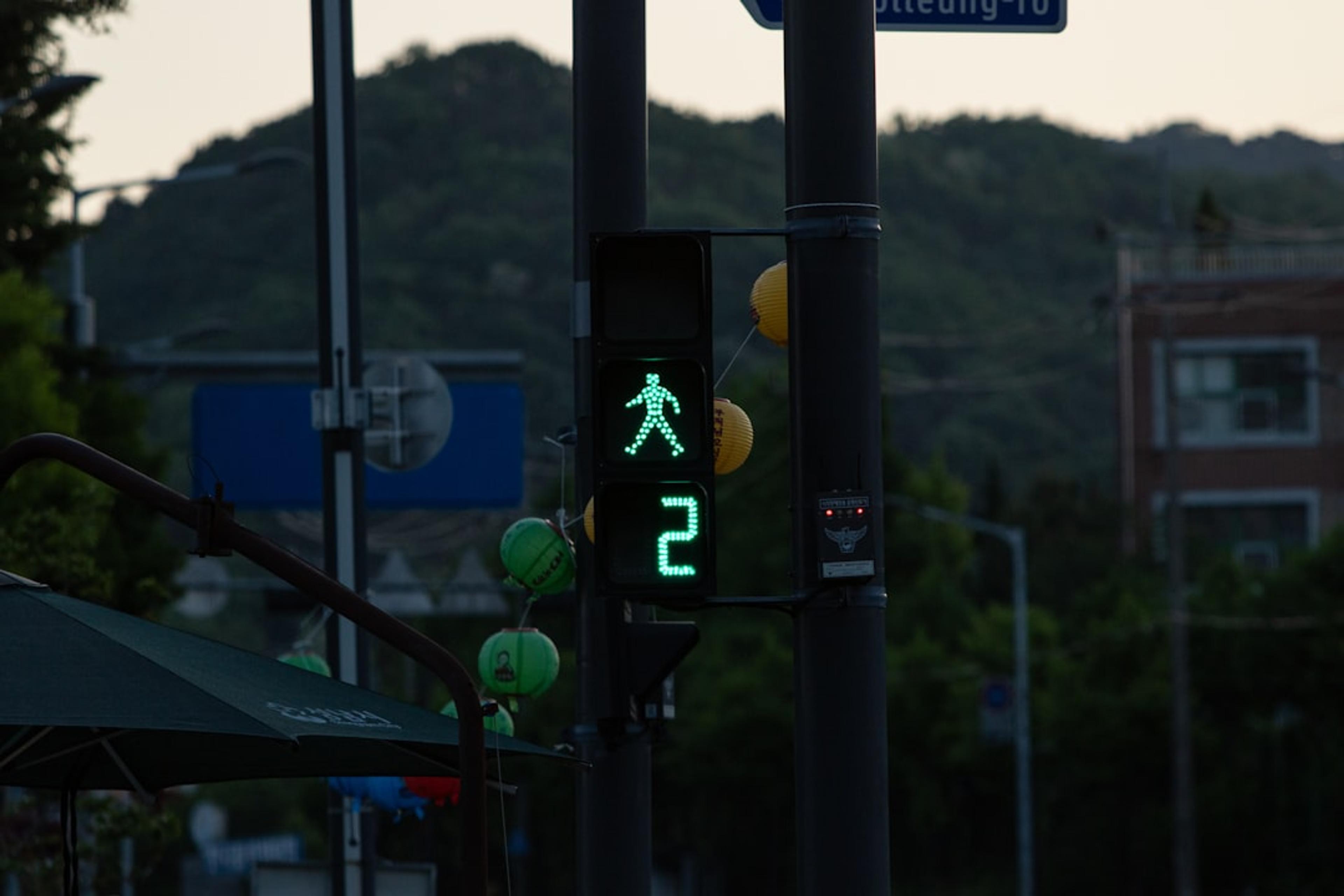
In addition to the standard traffic signals, Colorado also employs other traffic management tools such as flashing yellow arrows and pedestrian countdown signals. The flashing yellow arrow allows drivers to make a left turn after yielding to oncoming traffic and pedestrians, a system designed to enhance traffic flow while maintaining safety. Pedestrian countdown signals provide a clear indication of how much time is left for crossing, which helps in reducing pedestrian accidents. Understanding these nuances is crucial for both local and visiting drivers, as they help in making informed decisions, thereby reducing the risk of accidents.
Adapting to Weather Conditions
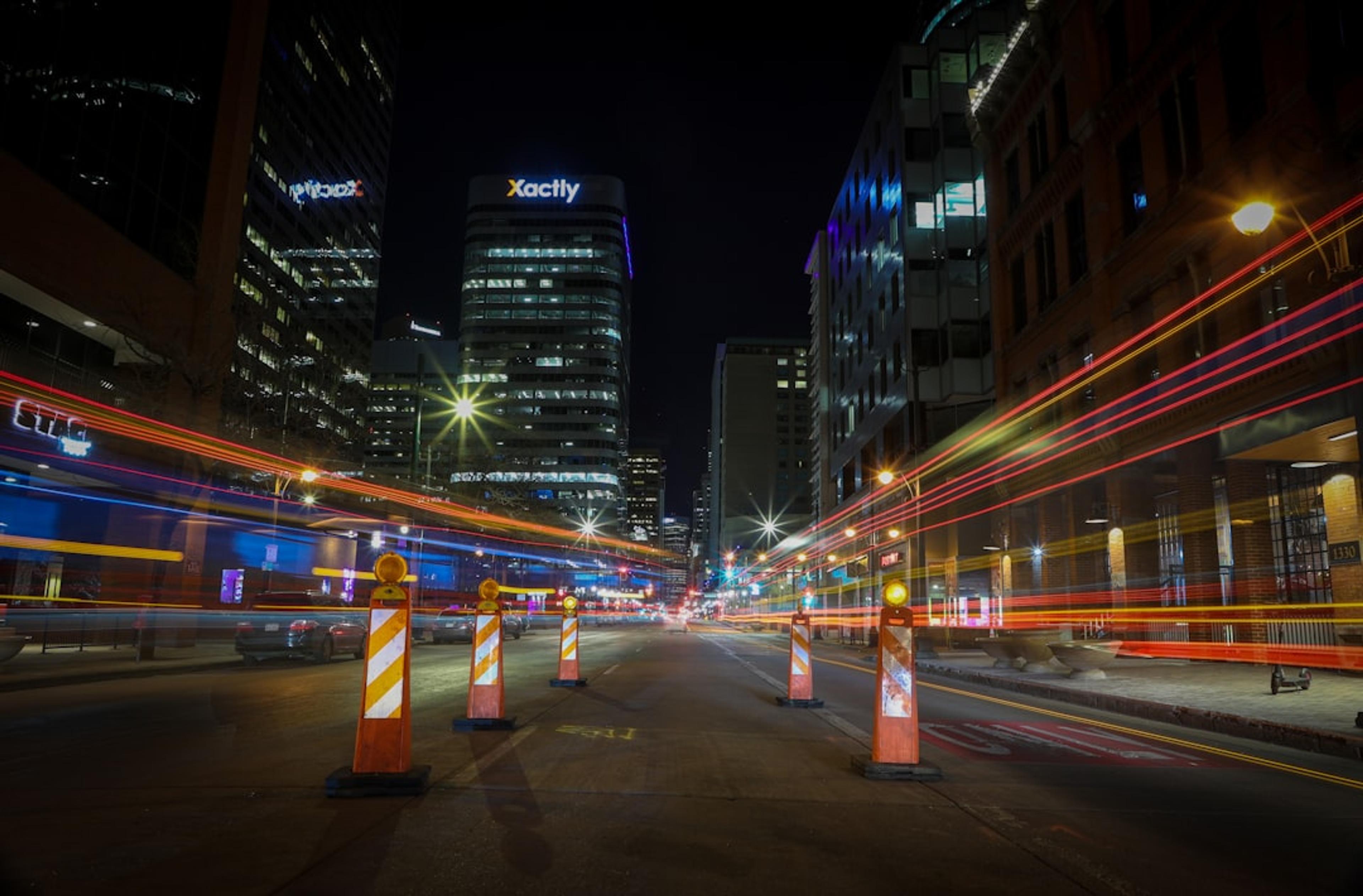
Colorado's weather can be unpredictable, with sudden snowstorms or rain affecting visibility. Drivers must be prepared to adapt to these conditions when approaching traffic lights. During adverse weather, it is advisable to maintain a safe following distance and reduce speed to ensure you can stop safely at traffic lights. Visibility can be a major issue, so ensure your vehicle's lights and windshield wipers are in good working condition. When snow covers the roads, the white lines and other markings might be obscured, making it crucial to rely on traffic signals and be extra cautious at intersections.
Common Mistakes and How to Avoid Them
One of the most common mistakes drivers make at traffic lights is misjudging the timing of yellow lights, which can lead to running a red light. In Colorado, it's crucial to be aware of the timing of the lights and to anticipate changes. Another frequent issue is failing to yield at intersections with flashing yellow arrows, which can result in collisions. Additionally, distracted driving, such as using a mobile phone while approaching a traffic light, significantly increases the risk of accidents. To avoid these mistakes, always stay focused on the road, be aware of your surroundings, and understand the specific traffic light signals at each intersection.
It's also essential to familiarize yourself with local laws regarding right turns on red lights. In Colorado, unless otherwise posted, you can turn right at a red light after coming to a complete stop and ensuring that the way is clear. However, always be vigilant for any signs prohibiting such turns, as these can vary by intersection. Adhering to these rules not only ensures your safety but also helps in maintaining a smooth flow of traffic, reducing wait times and minimizing the likelihood of accidents.
Advanced Traffic Signal Systems
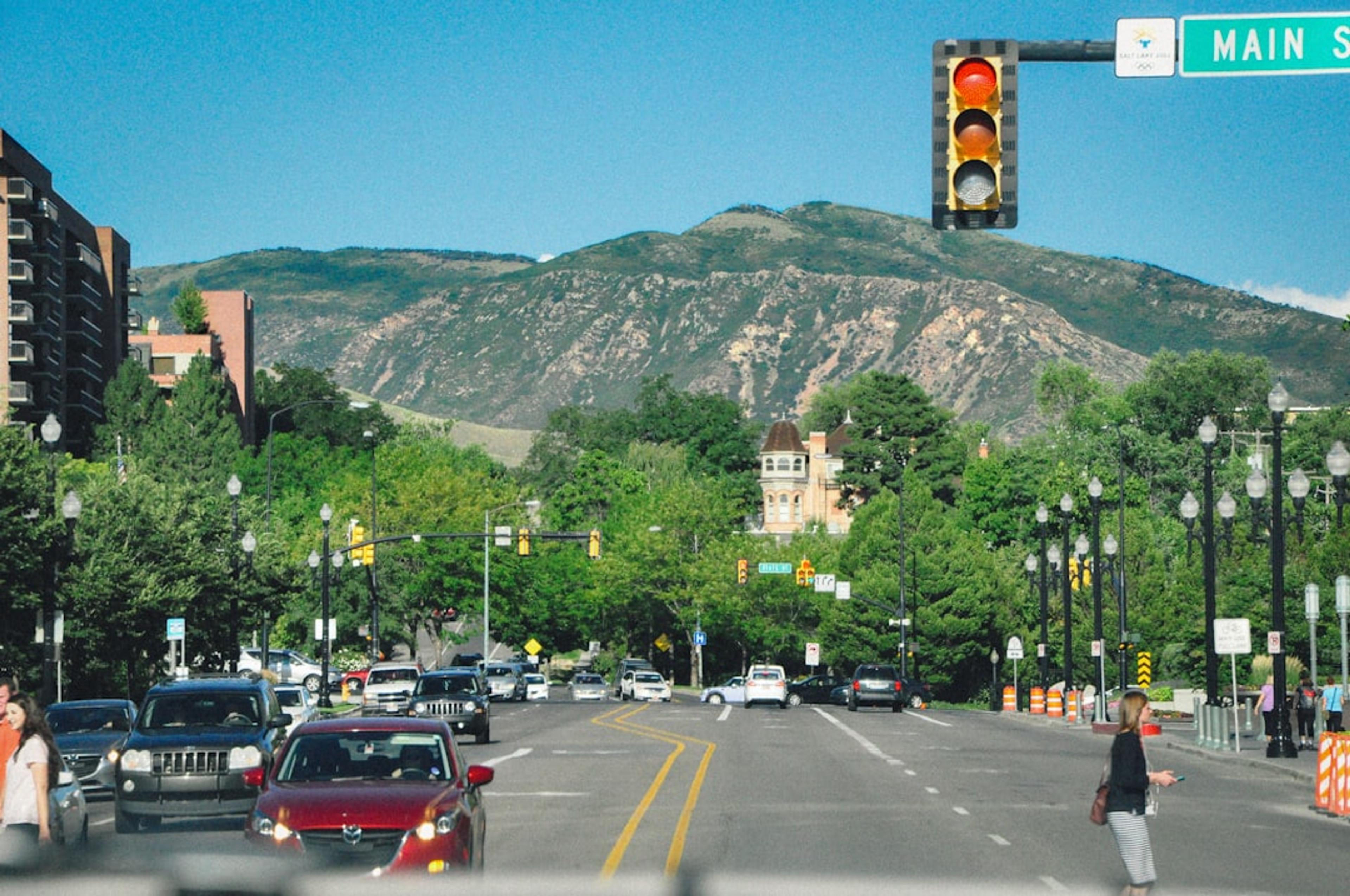
Colorado has implemented advanced traffic signal systems in various urban areas to enhance efficiency and safety. These systems include adaptive signal control technology, which adjusts the timing of traffic lights based on real-time traffic conditions. This technology helps reduce congestion and improve travel times, especially during peak hours. Understanding how these systems work can be beneficial for drivers who frequently travel through busy intersections. By being aware of the adaptive signals, you can better anticipate changes in traffic flow and adjust your driving accordingly.
Additionally, some intersections feature sensors that detect the presence of vehicles, bicycles, or pedestrians, allowing the traffic signal to adjust its cycle to accommodate the detected traffic. For example, if a sensor detects a bicycle in the lane, the light may change sooner to allow the cyclist to proceed safely. These systems are particularly beneficial in areas with high pedestrian or cyclist traffic, ensuring that all road users can navigate intersections safely and efficiently.
Future Developments in Traffic Technology
As technology continues to advance, so too does the field of traffic management. Colorado is exploring the use of connected vehicle technology, which allows vehicles to communicate with traffic signals to optimize traffic flow and improve safety. This technology can provide drivers with real-time information about upcoming traffic lights, enabling them to make more informed decisions. The state is also considering the integration of smart traffic systems that use artificial intelligence to predict and manage traffic patterns more effectively. These developments promise to make driving in Colorado safer and more efficient, reducing congestion and the potential for accidents.
Pro Tips for Safe Driving at Intersections
To navigate intersections safely, always approach with caution and be prepared to stop, especially if the light is yellow. Keep an eye on pedestrian crossings and be aware of cyclists, particularly in urban areas where they are more common. Use your mirrors effectively to monitor surrounding traffic, and always signal your intentions well in advance. If you're unfamiliar with an area, plan your route ahead of time to avoid last-minute lane changes, which can be dangerous at intersections. Additionally, consider using a GPS system that provides real-time traffic updates to help you anticipate delays and adjust your route accordingly.
Patience and attentiveness are key when driving in Colorado, particularly at busy intersections. Avoid aggressive driving behaviors such as tailgating or speeding, as these increase the risk of accidents. Remember that traffic lights are there to ensure safety for everyone, so always respect their signals and be courteous to other road users. By following these tips and staying informed about traffic regulations, you can contribute to a safer driving environment for yourself and others.
Conclusion: Staying Safe and Informed
Understanding traffic lights and signals is an essential part of safe driving, especially in a state like Colorado with its unique challenges. By familiarizing yourself with the different types of traffic signals and remaining attentive to your surroundings, you can navigate intersections safely and efficiently. Stay informed about the latest traffic technologies and local regulations to enhance your driving experience. Remember, safety on the road is a shared responsibility, so always drive with caution and consideration for others.

