Mastering Vehicle Handling for Massachusetts Drivers

Navigating the roads of Massachusetts requires more than just a basic understanding of traffic laws; it demands adept vehicle handling skills tailored to the state’s unique driving conditions. From bustling urban streets to winding rural roads, mastering vehicle handling is essential for both new and experienced drivers. In this comprehensive guide, we delve into the specific skills and techniques that will enhance your driving performance and ensure your safety. Whether you're preparing for a driving test or looking to refine your skills, this article offers valuable insights into handling a vehicle effectively in Massachusetts.
Understanding Massachusetts Road Conditions
Massachusetts presents a range of road conditions that can challenge even the most experienced drivers. The state's varied climate means drivers must be prepared for snow-covered streets in winter, wet and slippery roads in spring, and bustling traffic during peak travel seasons. Understanding these conditions is crucial for effective vehicle handling. In winter, black ice and snow can reduce traction, making it vital to practice smooth steering and gentle acceleration. During rainy months, hydroplaning is a risk, requiring drivers to maintain a safe distance from others and reduce speed. Massachusetts is also known for its historic, narrow streets, especially in cities like Boston, where precise vehicle handling can prevent accidents and improve traffic flow.
Moreover, the state's road infrastructure includes numerous roundabouts and complex intersections that demand quick decision-making and precise control. Familiarity with these elements is vital; for instance, when approaching a roundabout, it's essential to slow down, yield to traffic in the circle, and maintain a steady speed. Apps like driverpass.ai can help you practice these scenarios through simulated tests, enhancing your ability to handle real-world situations confidently.

Essential Vehicle Handling Techniques
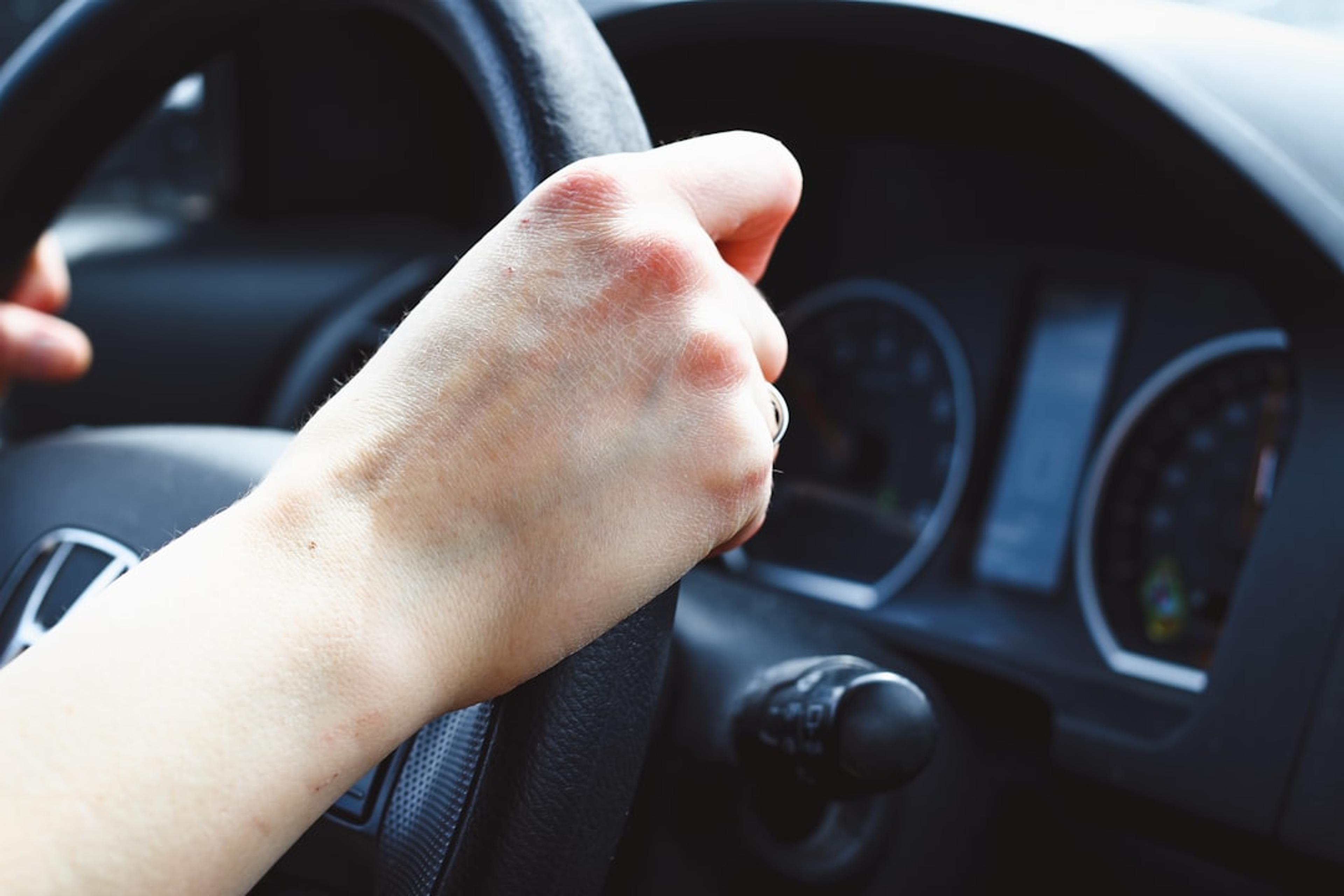
Effective vehicle handling involves a combination of skills that allow you to respond appropriately to different driving situations. One fundamental technique is smooth steering, which involves using both hands to navigate turns and curves. This control ensures your vehicle maintains stability, particularly on winding roads common in the Massachusetts countryside. Another critical skill is braking; understanding the difference between traditional and anti-lock braking systems (ABS) can significantly impact your ability to stop effectively. With ABS, maintain steady pressure on the brake pedal during an emergency stop, allowing the system to prevent wheel lockup and maintain steering control.
Acceleration is another key aspect of vehicle handling. Whether merging onto a highway or navigating city traffic, smooth acceleration helps maintain control and reduces the risk of skidding. Practicing gradual speed increases ensures your vehicle's stability and improves fuel efficiency. Driverpass.ai offers AI-powered quizzes that help reinforce these concepts, allowing you to test your understanding and build confidence in your driving abilities.
Handling Emergencies
Emergency situations, such as sudden stops or swerving to avoid an obstacle, test a driver's handling skills. In Massachusetts, where wildlife crossings or unexpected traffic can occur, knowing how to execute an emergency maneuver is crucial. Practice maintaining a firm grip on the steering wheel and avoid overcorrecting, which can lead to loss of control. If you need to swerve, do so smoothly and gradually to maintain vehicle balance. Understanding your vehicle's dynamics can make the difference in an emergency, and continuous practice is key.
Preparing for the Massachusetts Road Test
The Massachusetts road test evaluates a driver's ability to handle a vehicle safely and effectively. Familiarity with vehicle handling techniques is essential for passing this test. During the exam, you will be assessed on your ability to control the vehicle in various scenarios, including parking, lane changes, and intersection navigation. Practicing these maneuvers beforehand can boost your confidence. For instance, parallel parking requires precise steering and spatial awareness; practice in a safe environment until you can execute it smoothly. Similarly, understanding how to merge safely into traffic is a critical skill tested during the exam.
To prepare effectively, use resources like driverpass.ai, which offers practice tests that simulate the real DMV exam. These tests can help you identify areas where you need improvement and provide a structured way to enhance your vehicle handling skills. Additionally, reviewing the Massachusetts Driver's Manual will give you insights into specific state driving laws and requirements, ensuring you're well-prepared for the road test.

Common Mistakes and How to Avoid Them
Even experienced drivers can make mistakes that affect vehicle handling. One common error is failing to check blind spots before changing lanes, which can lead to collisions. Always perform a shoulder check in addition to using mirrors to ensure the lane is clear. Another mistake is tailgating, which reduces your reaction time and increases the risk of accidents. Maintain a safe following distance, particularly in adverse weather conditions. Speeding is also a prevalent issue; adhere to posted speed limits, especially in residential areas and school zones, to ensure safety.
Overconfidence can lead to poor decision-making, such as attempting complex maneuvers without sufficient space or time. Stay within your comfort zone and practice gradually improving your skills. Driverpass.ai can assist in reinforcing these lessons, offering a safe platform to practice and refine your handling skills without the pressure of real-world consequences.
Pro Tips for Improving Vehicle Handling
Improving vehicle handling involves a combination of practice, knowledge, and awareness. One pro tip is to always keep your vehicle well-maintained; regular checks on tire pressure, brakes, and alignment can significantly impact handling. Additionally, adjust your driving style to match road conditions; for example, reduce speed in wet weather to maintain traction. Practice defensive driving by anticipating other drivers' actions and preparing to react accordingly. This mindset not only improves safety but also enhances your handling skills.
Continual learning is key to mastering vehicle handling. Consider taking advanced driving courses that focus on handling skills, such as skid control and emergency maneuvers. These courses provide hands-on experience that can be invaluable in real-world situations. Tools like driverpass.ai complement these efforts by offering practice tests and quizzes that reinforce your knowledge and skills, ensuring you're always ready for the road.
Conclusion
Mastering vehicle handling is a critical component of safe driving in Massachusetts. By understanding road conditions, practicing essential techniques, and preparing thoroughly for the road test, you can enhance your driving skills and confidence. Utilize resources like driverpass.ai to access practice tests and quizzes that simulate real-world scenarios, offering a convenient way to refine your abilities. Remember, continual practice and awareness are key to becoming a proficient and safe driver on Massachusetts roads.

