Understanding Autonomous Vehicles: The Future by 2026

Autonomous vehicles, often referred to as self-driving cars, are poised to revolutionize the way we think about transportation by 2026. As technology continues to advance, these vehicles are becoming more integrated into our daily lives, promising to enhance safety, efficiency, and accessibility. This article will delve into the various aspects of autonomous vehicles, including the technological developments, regulatory challenges, and potential societal impacts as we approach 2026. We'll also explore how resources like driverpass.ai can assist in understanding and adapting to these changes.
The Technology Behind Autonomous Vehicles
At the heart of autonomous vehicles is a combination of advanced technologies that enable them to navigate and operate without human intervention. These technologies include sensors, cameras, radar systems, and LIDAR (Light Detection and Ranging) systems that provide a 360-degree view of the vehicle's surroundings. Moreover, sophisticated AI algorithms process this data to make real-time driving decisions. By 2026, we expect significant advancements in these technologies, leading to more reliable and efficient autonomous vehicles. Current prototypes are already demonstrating the ability to handle complex driving environments, a crucial step towards widespread adoption.
In addition to hardware, the software component of autonomous vehicles is evolving rapidly. Machine learning and neural networks are essential for developing systems that can learn from vast amounts of driving data. These systems improve over time, enhancing their ability to predict and react to various road conditions. Companies like Tesla, Waymo, and others are at the forefront of developing this technology, with countless miles of test driving accumulating data to refine their systems. Apps like driverpass.ai can provide users with a simulated environment to understand how these technologies work, preparing them for a future where autonomous vehicles play a central role in transportation.
Regulatory Challenges and Solutions
The introduction of autonomous vehicles presents several regulatory challenges that need to be addressed before they can become mainstream. Governments worldwide are grappling with questions about safety standards, insurance liabilities, and the legal implications of autonomous driving. By 2026, it is anticipated that comprehensive frameworks will be established to govern the use of these vehicles. This includes defining what constitutes a 'driver' in the context of autonomous vehicles, which has implications for traffic laws and accident liability. The U.S. National Highway Traffic Safety Administration (NHTSA) and other international bodies are actively working on guidelines to ensure the safe deployment of self-driving cars.
One of the significant hurdles is determining how autonomous vehicles will interact with traditional vehicles and pedestrians. Mixed traffic scenarios present unique challenges that regulatory bodies must consider. Furthermore, data privacy and cybersecurity are critical concerns, as these vehicles rely heavily on data transmission. Ensuring that autonomous vehicle systems are protected from hacking and misuse is paramount. Engaging with platforms like driverpass.ai can help individuals stay informed about these evolving regulations and understand their implications on personal and public safety.
Insurance and Liability Issues
Insurance in the era of autonomous vehicles is another complex issue. Traditionally, liability in accidents is assigned to human drivers, but with self-driving cars, this paradigm shifts. Manufacturers may bear more responsibility, especially if an accident results from a system failure. This shift could lead to new types of insurance policies tailored to autonomous vehicles, emphasizing product liability rather than personal liability. By 2026, we can expect the insurance industry to adapt to these changes, offering innovative solutions to address new risks associated with driverless cars.
Societal Impacts of Autonomous Vehicles
The widespread adoption of autonomous vehicles by 2026 is expected to have profound societal impacts. One of the most significant is the potential reduction in traffic accidents, as human error is a leading cause of crashes. Autonomous vehicles are designed to eliminate factors such as distracted driving and impaired driving, potentially saving thousands of lives each year. Additionally, these vehicles can increase mobility for those who are unable to drive, such as the elderly or disabled, enhancing their quality of life and independence.
The shift to autonomous vehicles also poses challenges, particularly in terms of employment. The transportation industry, which employs millions worldwide, may face significant disruptions. Truck drivers, taxi drivers, and delivery personnel might see their roles evolve or diminish as automation becomes more prevalent. However, new job opportunities are likely to emerge in vehicle maintenance, software development, and infrastructure management. Preparing for these changes is crucial, and tools like driverpass.ai can offer guidance and resources to help individuals navigate this transition.
Environmental Considerations
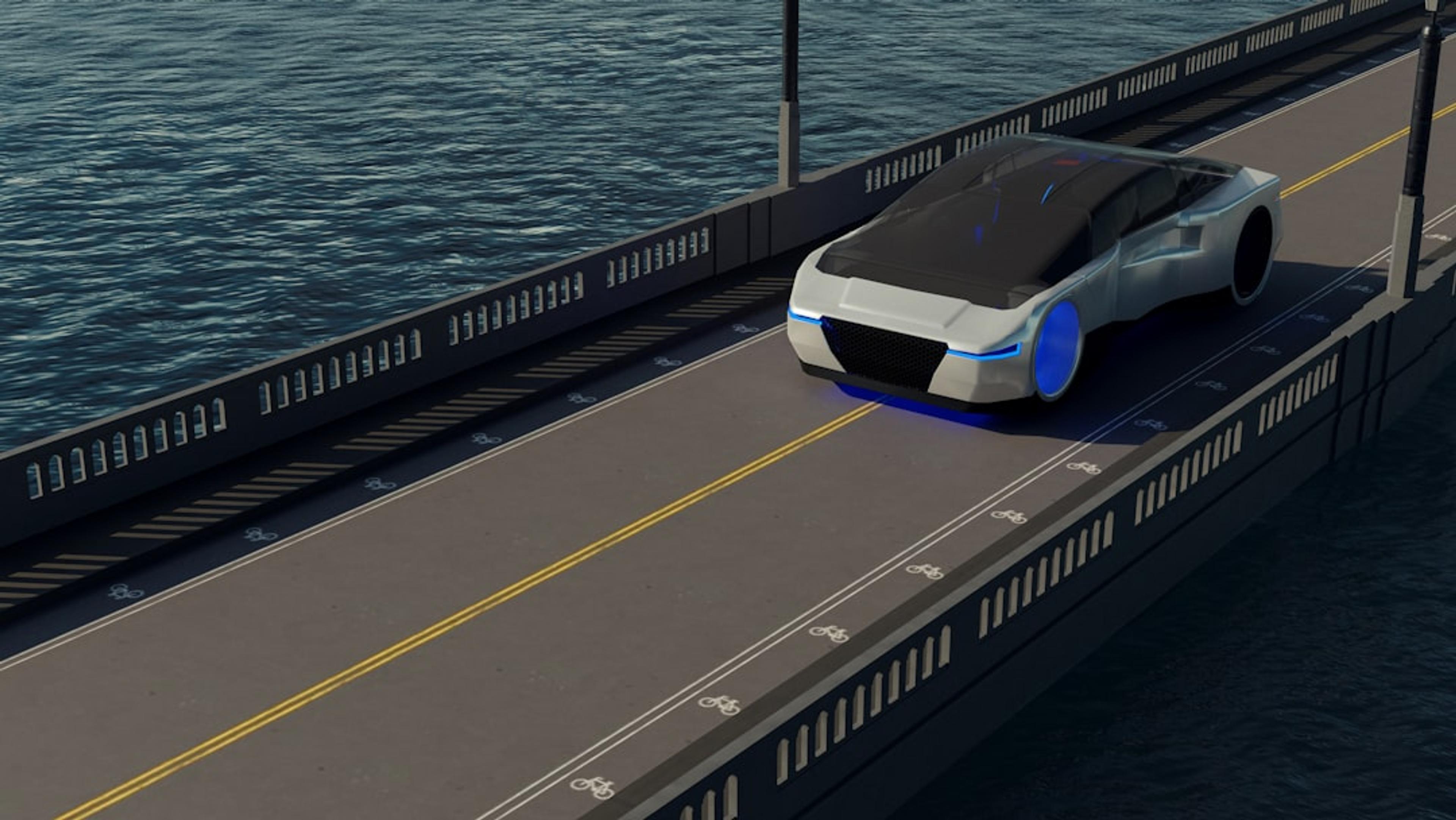
Autonomous vehicles have the potential to contribute positively to environmental goals. Many self-driving cars are designed to be electric, reducing reliance on fossil fuels and lowering greenhouse gas emissions. With optimized driving patterns and reduced congestion, these vehicles can also improve fuel efficiency. By 2026, we may see a significant shift towards greener transportation solutions, aligning with global efforts to combat climate change. Encouraging the adoption of electric autonomous vehicles could be a pivotal strategy in achieving sustainability targets.
Preparing for an Autonomous Future
As we approach 2026, individuals and communities must prepare for the integration of autonomous vehicles into daily life. Education and awareness are key components of this preparation. Understanding how these vehicles operate and the implications of their widespread use is crucial. Driverpass.ai offers a valuable resource for those looking to gain insight into the functionalities of autonomous vehicles and the skills required to interact with them safely. By engaging with such platforms, individuals can stay informed and ready for this transformative shift in transportation.
Community planning will also play a significant role in facilitating the transition to autonomous vehicles. Cities need to consider infrastructure changes, such as dedicated lanes for self-driving cars and smart traffic signals that can communicate with these vehicles. Public transit systems may also integrate autonomous technology to enhance efficiency and coverage. By 2026, cities that proactively plan for these advancements will likely experience smoother integration and greater benefits from autonomous vehicle technology.
In conclusion, the rise of autonomous vehicles represents a significant milestone in the evolution of transportation. By understanding the technological, regulatory, and societal aspects discussed in this article, individuals can better prepare for the changes that autonomous vehicles will bring by 2026. Platforms like driverpass.ai provide essential tools and resources to help users navigate and adapt to this new era of mobility, ensuring a seamless transition to a future where self-driving cars are a common sight on our roads.

