Exploring Motorcycle Regulations in South Dakota by 2026

As 2026 approaches, South Dakota is set to implement new motorcycle regulations that aim to enhance safety, streamline licensing procedures, and address environmental concerns. Whether you're a seasoned rider or new to motorcycling, understanding these changes will be essential for compliance and enjoying the freedom of the open road. This comprehensive guide will explore the upcoming regulations, offering insights into licensing requirements, safety standards, and environmental policies affecting motorcyclists in South Dakota.
2026 Motorcycle Licensing Requirements
In 2026, South Dakota will introduce updated motorcycle licensing requirements designed to ensure that all riders have the necessary skills and knowledge to operate their vehicles safely. To obtain a motorcycle license, riders must pass both a written knowledge test and a practical riding exam. The written test covers essential traffic laws, road signs, and motorcycle-specific regulations. The practical test assesses a rider's ability to handle the motorcycle in various scenarios, including emergency stops and obstacle avoidance. New riders are encouraged to enroll in a state-approved motorcycle safety course, which can provide valuable instruction and practical experience. These courses often include classroom instruction and hands-on training, culminating in a skills test that may waive the DMV riding exam upon successful completion.
Additionally, South Dakota will be updating its license renewal process to include a vision test and a review of recent traffic violations. Riders over 65 will be required to renew their licenses every five years to ensure continued competence. The state also plans to introduce a tiered licensing system, allowing new riders to gain experience on smaller-engine motorcycles before progressing to larger, more powerful bikes. This approach aims to reduce accidents among inexperienced riders and promote safer riding habits.

Safety Gear and Equipment Standards
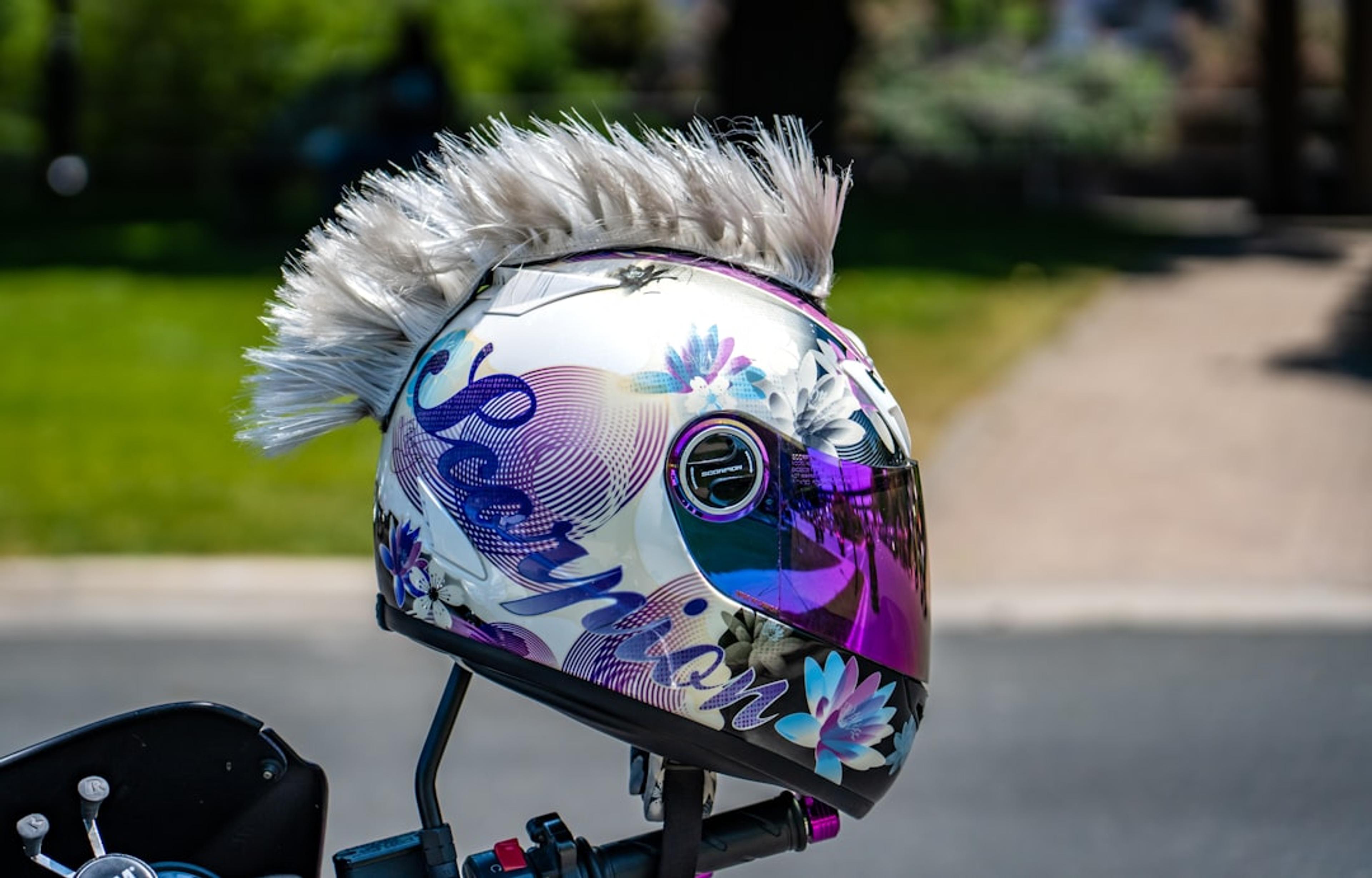
Safety is a top priority in the upcoming regulations, with South Dakota emphasizing the importance of protective gear for all motorcyclists. By 2026, the state will enforce stricter standards for helmets, requiring all helmets sold or used to meet DOT (Department of Transportation) regulations. This move aims to reduce head injuries and fatalities in motorcycle accidents. Riders will also be encouraged to wear additional protective gear, such as jackets, gloves, and boots, all designed to minimize injuries in the event of a crash. Reflective clothing and equipment will become a recommended standard to increase visibility, especially during nighttime or low-light conditions.
Mandatory Safety Inspections
To further enhance safety, South Dakota will implement mandatory annual safety inspections for all motorcycles registered in the state. These inspections will cover critical components such as brakes, lights, tires, and exhaust systems. The goal is to ensure that all motorcycles meet safety standards and are in good working condition, thereby reducing the likelihood of accidents caused by mechanical failures. Riders are advised to perform regular maintenance checks and address any issues promptly to pass these inspections successfully.
Environmental Considerations and Emissions Standards
As part of a broader initiative to reduce the environmental impact of vehicles, South Dakota will introduce new emissions standards for motorcycles by 2026. These standards will focus on reducing harmful emissions and promoting cleaner, more efficient engines. Motorcycles will be required to undergo emissions testing, similar to cars, to ensure compliance with state regulations. The state encourages riders to consider environmentally friendly options, such as electric motorcycles, which produce zero emissions and have lower operating costs. Incentives, such as tax credits or rebates, may be offered to those who purchase electric or low-emission motorcycles.
In addition to emissions standards, South Dakota will promote eco-friendly riding practices, such as proper maintenance and fuel-efficient riding techniques. Riders can reduce their environmental footprint by keeping their engines tuned, tires properly inflated, and by using high-quality fuels and lubricants. These practices not only benefit the environment but can also improve fuel efficiency and extend the lifespan of the motorcycle.
Insurance and Liability Coverage Updates
Insurance requirements for motorcyclists are also set to change by 2026. South Dakota will increase the minimum liability coverage amounts to better protect riders and other road users in the event of an accident. Riders will be required to carry proof of insurance at all times and may face penalties for non-compliance. It is crucial for motorcyclists to understand the different types of coverage available, including liability, collision, comprehensive, and uninsured motorist protection. Evaluating these options can help riders select the appropriate coverage for their needs and budget.
Furthermore, South Dakota will introduce educational programs to help riders understand their insurance options and the benefits of additional coverage. These programs aim to reduce the risk of financial hardship resulting from accidents and to promote responsible riding habits. Riders are encouraged to review their insurance policies regularly and consult with insurance professionals to ensure they have adequate protection.

Conclusion: Preparing for the Future
As South Dakota prepares for these regulatory changes, motorcyclists are encouraged to stay informed and proactive. Understanding the new licensing, safety, environmental, and insurance requirements will be crucial for compliance and safe riding. By embracing these changes, riders can enjoy the open road with peace of mind, knowing they are contributing to a safer and more sustainable future. It's vital to regularly check the South Dakota DMV website or consult with local authorities for updates on regulations and resources available to motorcyclists.

