Preparing Teen Drivers for 2026: A Comprehensive Guide

Driving is a significant milestone for teenagers, symbolizing freedom and responsibility. As we look toward 2026, the landscape for teen drivers is rapidly changing due to advancements in technology and evolving regulations. This comprehensive guide explores the critical trends and changes that will impact teen drivers, helping parents and teens prepare for a successful driving journey. From understanding new vehicle technologies to navigating updated DMV regulations, we'll cover everything you need to know to ensure a safe and confident road experience for new drivers.
The Impact of Technology on Teen Driving
The automotive industry is undergoing a technological revolution, and teen drivers in 2026 will be at the forefront of this transformation. Advanced driver-assistance systems (ADAS) are becoming standard in many vehicles, offering features like lane-keeping assistance, adaptive cruise control, and automatic emergency braking. These technologies are designed to enhance safety, but they also require drivers to adapt to new driving dynamics. Teen drivers must learn how to use these systems effectively, understanding their capabilities and limitations. Additionally, the rise of electric vehicles (EVs) presents a new learning curve, as teens will need to understand charging infrastructure and energy management. Parents can play a crucial role by discussing these technologies with their teens and ensuring they receive proper instruction on their use.
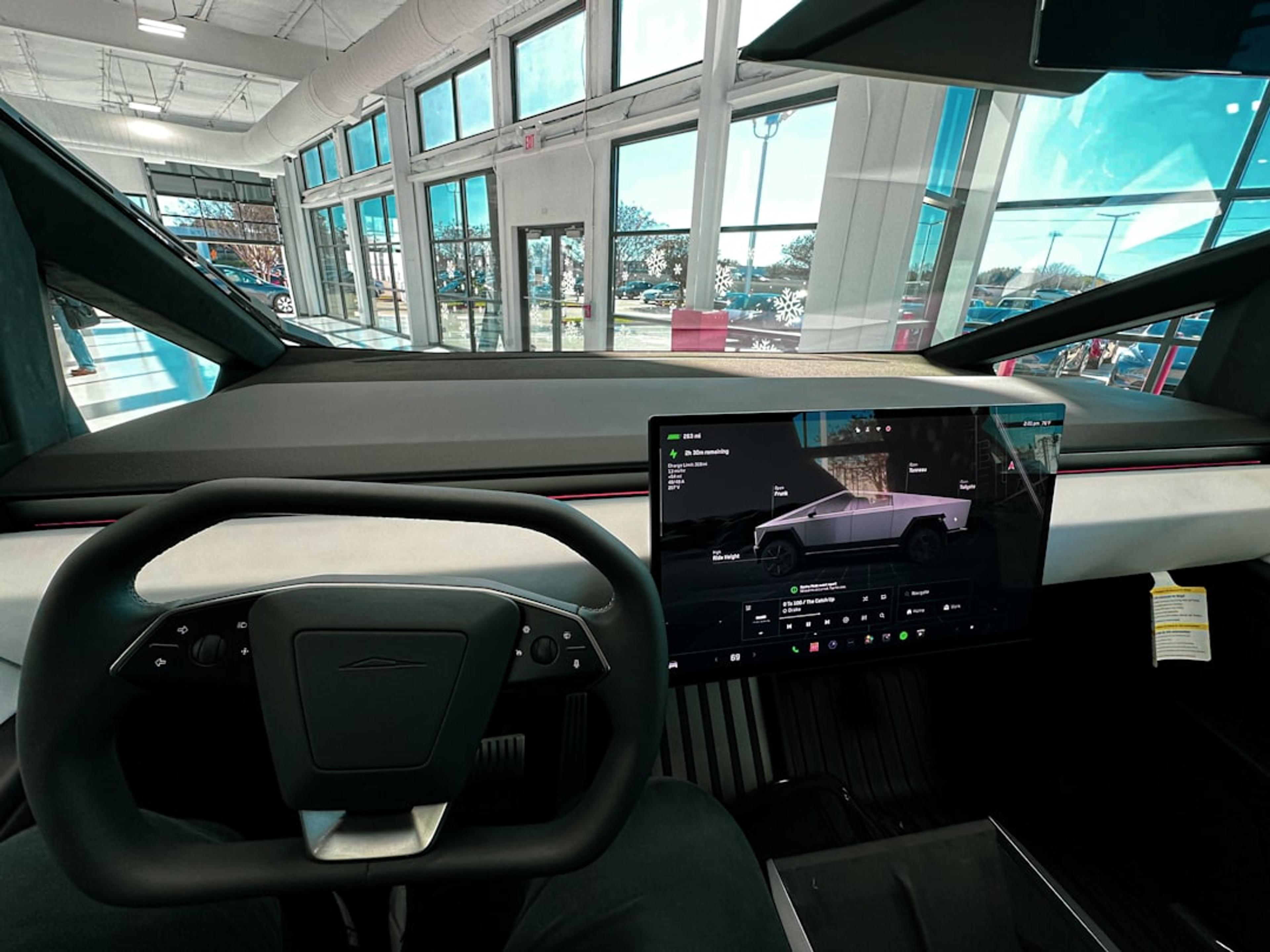
The integration of connected car technologies is another significant trend, providing real-time traffic updates, navigation assistance, and vehicle diagnostics. These features can enhance the driving experience but also pose potential distractions. It's essential for teen drivers to develop strong focus and attention management skills, balancing the benefits of technology with the need for safe driving practices. Encouraging teens to engage with these technologies in a controlled environment can help them become more confident and competent drivers.
Autonomous Vehicles and Teen Drivers
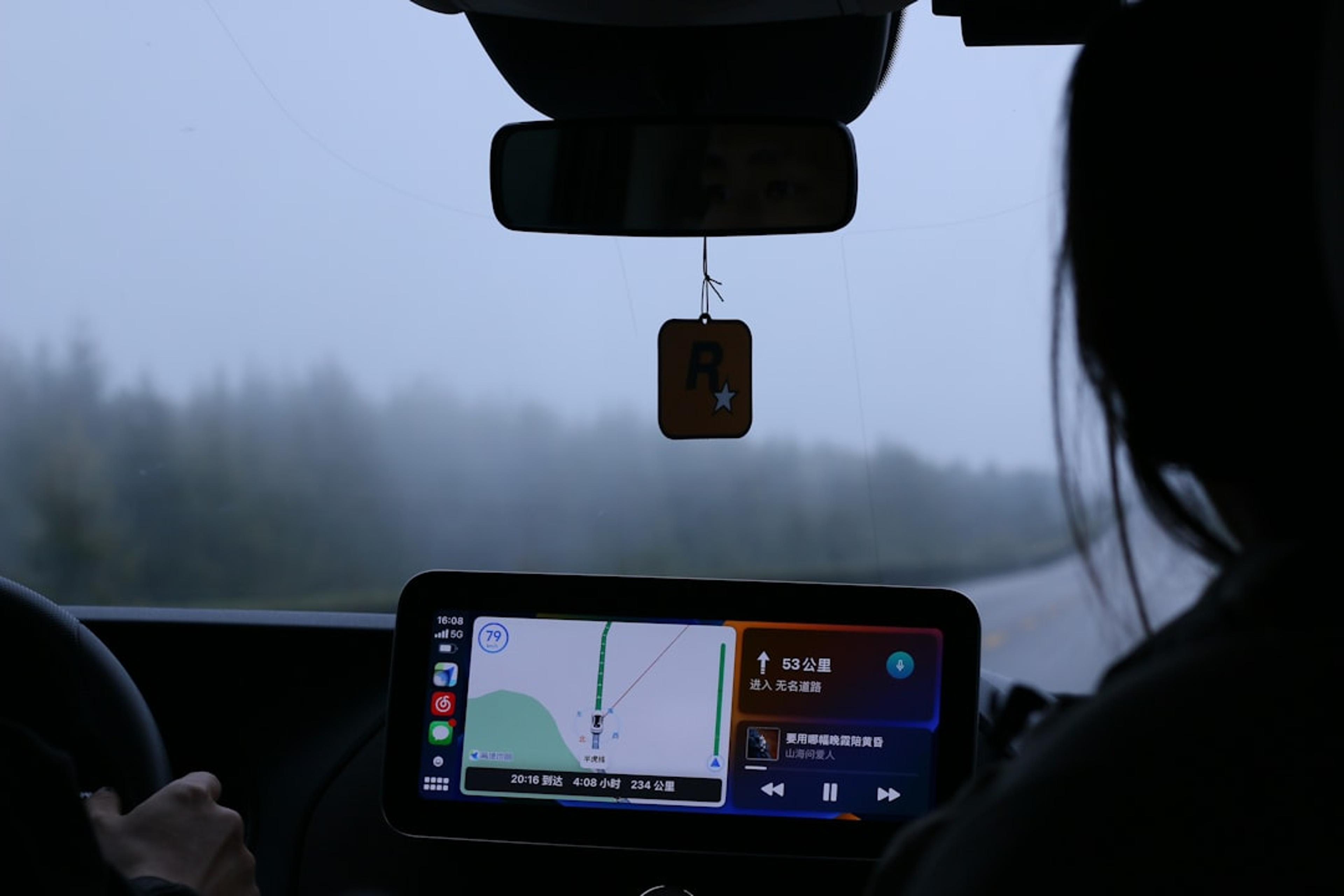
While fully autonomous vehicles are not yet mainstream, their development continues to progress rapidly. Teen drivers in 2026 may encounter autonomous features in semi-autonomous vehicles, such as autopilot modes or self-parking capabilities. Understanding how these features work and when to rely on them is critical for safety. Teens should be trained to remain attentive, even when autonomous features are engaged, ensuring they can take control if necessary. This requires a shift in driving education, emphasizing the importance of active supervision and situational awareness.
Navigating Updated DMV Regulations
As the automotive landscape evolves, so do DMV regulations. Teen drivers in 2026 will need to navigate a complex web of rules designed to enhance safety and accountability. Graduated Driver Licensing (GDL) programs, which impose restrictions on nighttime driving and passenger limits, will continue to play a significant role. These programs are proven to reduce accidents among teen drivers by allowing them to gain experience in lower-risk environments. Staying informed about state-specific GDL requirements is crucial for compliance and safety.
In addition to GDL programs, new regulations may address emerging technologies, such as the use of mobile devices and in-car infotainment systems. Many states are implementing stricter laws to curb distracted driving, requiring hands-free use of phones and limiting the use of interactive screens while driving. Teen drivers must be aware of these laws and the penalties for violations, which can include fines, points on a license, or even suspension. Parental involvement is key in reinforcing these rules and modeling responsible behavior.

Preparing for the Driving Test
The driving test is a rite of passage for teens, and preparation is more important than ever. In 2026, driving tests are likely to incorporate evaluations of technology use, requiring teens to demonstrate their ability to operate ADAS and other tech features safely. Practicing these skills under the supervision of a knowledgeable adult can build confidence and competence. Additionally, understanding the test format and requirements, such as parallel parking proficiency and adherence to traffic laws, is essential for success. Many DMV websites offer practice tests and resources that can be invaluable in preparing for the exam.
Promoting Safe Driving Habits
Instilling safe driving habits in teen drivers is a top priority. Parents and guardians play a vital role in modeling these behaviors and setting clear expectations. One effective strategy is to establish a parent-teen driving agreement, outlining rules and consequences for violations. This agreement can cover topics such as seatbelt use, speed limits, and the prohibition of alcohol and drugs. Regular discussions about road safety and sharing experiences can reinforce the importance of responsible driving.
In addition to parental guidance, driver education programs remain a cornerstone of teen driving preparation. These programs offer structured learning environments where teens can gain knowledge about road rules, vehicle operation, and emergency handling. Encouraging participation in defensive driving courses can further enhance their skills, teaching them how to anticipate and respond to potential hazards. By fostering a culture of safety and responsibility, we can help teen drivers build a strong foundation for their driving careers.
The Role of Parental Involvement
Active parental involvement is crucial in preparing teen drivers for the challenges of 2026. Parents can provide valuable support by sharing their driving experiences, discussing the importance of safety, and setting clear examples of responsible behavior. Encouraging open communication about driving concerns and challenges can help teens feel more comfortable seeking guidance. Parents should also regularly review driving progress and provide constructive feedback, helping teens improve their skills and confidence.
Monitoring driving behavior through apps or in-vehicle monitoring systems can offer insights into a teen's driving habits, such as speed, braking, and phone usage. These tools can facilitate discussions about areas for improvement and reinforce safe driving practices. However, it's important to balance monitoring with trust, allowing teens to develop independence while knowing their parents are there for support. By fostering a supportive and educational environment, parents can help their teens become responsible and capable drivers.

Conclusion: Preparing for the Future
As we approach 2026, preparing teen drivers for the road ahead requires a comprehensive approach that encompasses technology, regulations, and safe driving practices. By staying informed about emerging trends and fostering open communication, parents can play a pivotal role in their teen's driving journey. Encouraging education, practice, and responsibility will help teens navigate the complexities of modern driving, ensuring they become safe and confident drivers. Together, we can create a future where young drivers are well-equipped to handle the challenges of the road.

