California's Evolving Driving Laws: What to Expect by 2026

California's driving laws are set to undergo significant changes by 2026, driven by advancements in technology, increased focus on safety, and stricter emissions regulations. As the state continues to lead in progressive legislation, these changes aim to create safer roads and a cleaner environment. This article delves into the anticipated modifications in California's driving laws, providing a comprehensive overview of what drivers should expect. We'll explore the impact of these changes on everyday driving, the role of technology in enhancing road safety, and how apps like driverpass.ai can help drivers stay informed and prepared.
Upcoming Changes in Emissions Standards
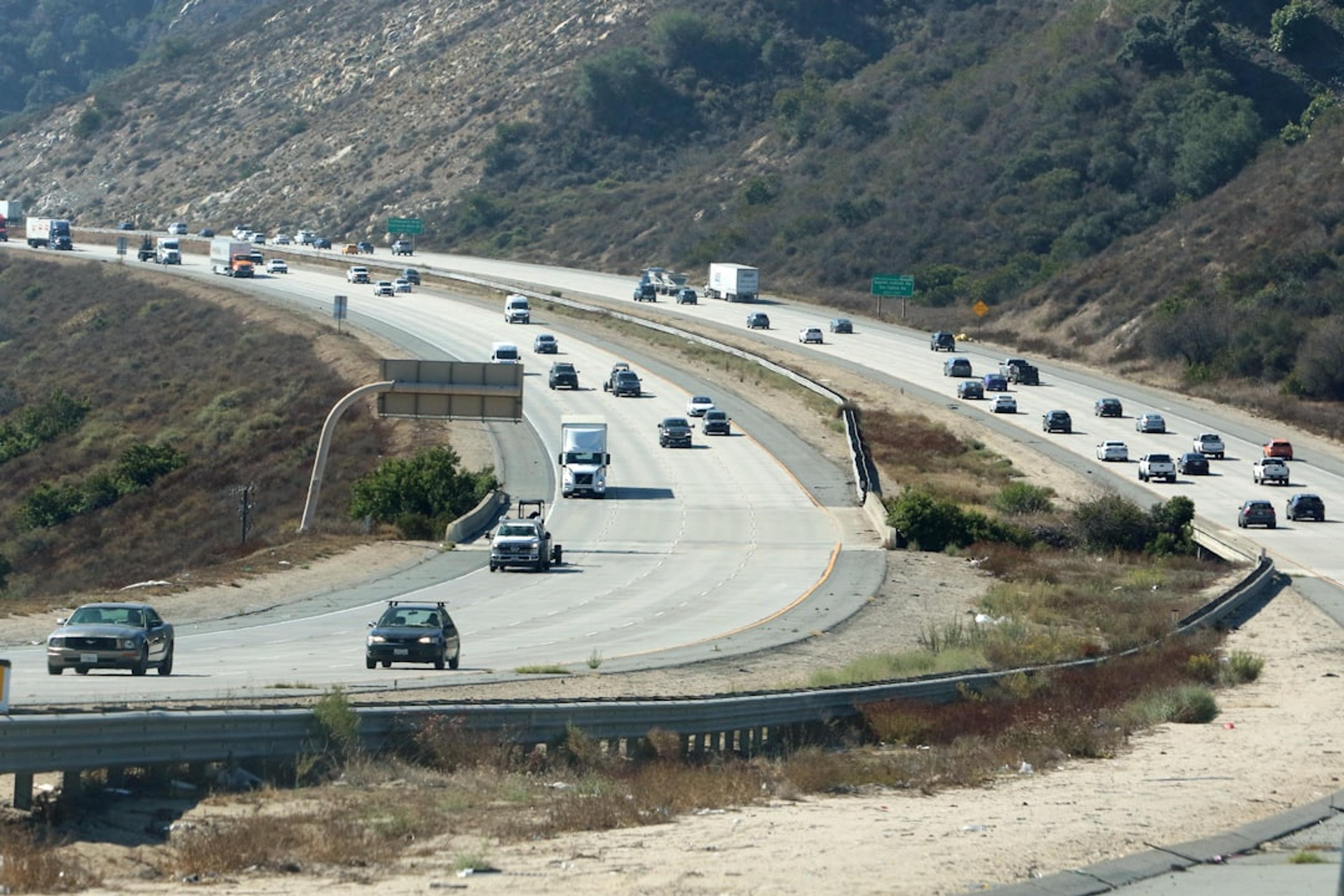
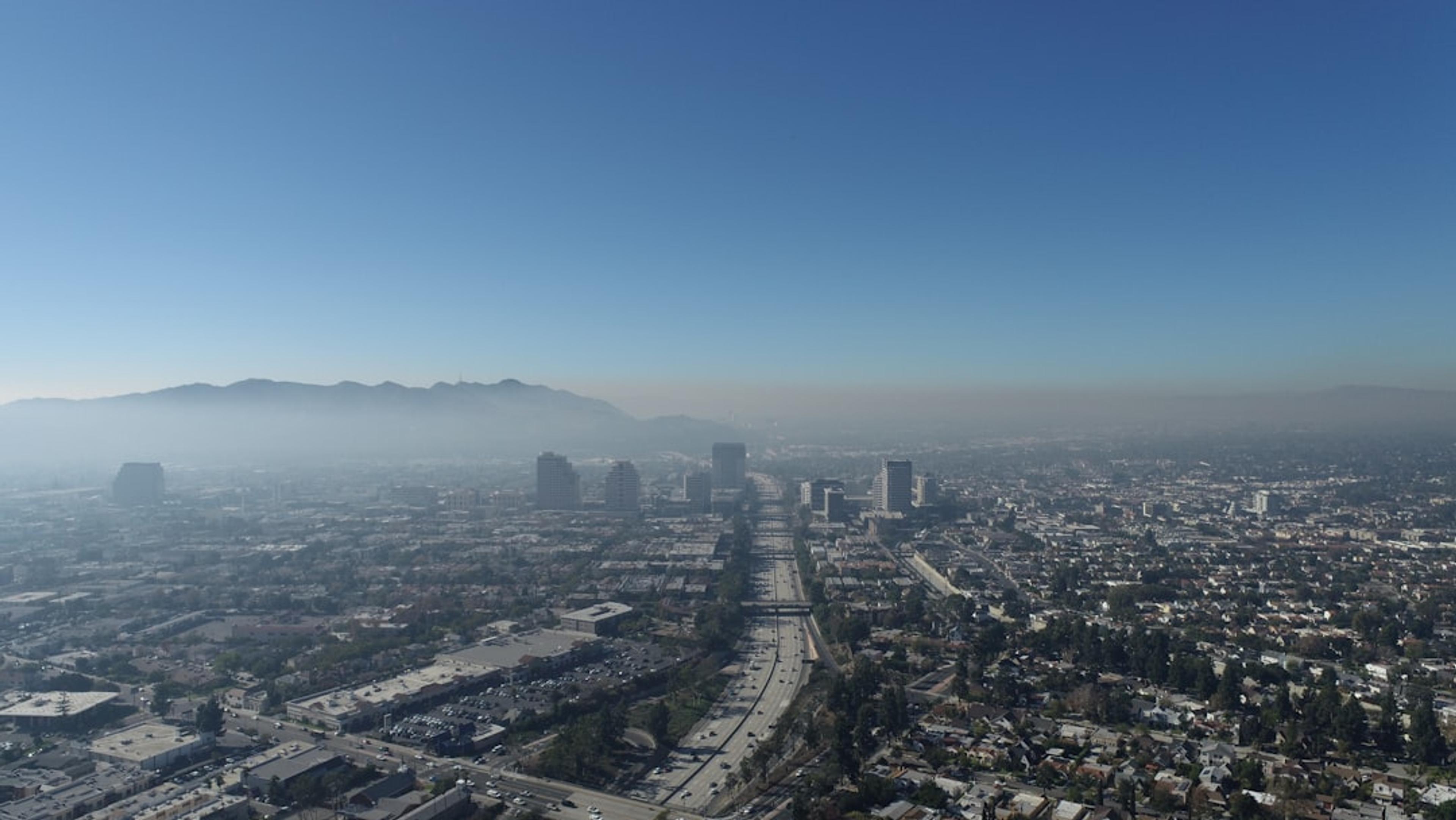
By 2026, California plans to implement more stringent emissions standards for vehicles, continuing its legacy as a leader in environmental stewardship. The new regulations will necessitate that all new cars sold in the state meet higher efficiency criteria, reducing the overall carbon footprint. This move is part of California's broader strategy to combat climate change and promote sustainable transportation. For drivers, this means considering the purchase of electric or hybrid vehicles, as they will likely meet these new standards more easily. Moreover, the state is expected to offer incentives to encourage the adoption of clean vehicles, such as tax credits and rebates. Understanding these changes is crucial for car buyers and current vehicle owners alike, as non-compliance could lead to penalties. Apps like driverpass.ai can provide updates and resources to help drivers navigate these changes efficiently.
In addition to tighter regulations on new cars, the state is also expected to focus on improving the emissions of existing vehicles. This could involve more rigorous smog checks and maintenance requirements to ensure older cars remain compliant. Drivers should stay informed about these potential changes to avoid unexpected fines or the need for costly repairs. Regular vehicle maintenance will become increasingly important, and understanding how to keep your car in top shape will be essential. Resources like driverpass.ai can offer valuable guidance on maintaining vehicle compliance and preparing for smog checks.
Impact on Vehicle Manufacturers
Manufacturers will need to adapt quickly to these new standards, potentially leading to innovations in vehicle design and production. Companies that have already invested in electric vehicle technology may find themselves at an advantage. As a result, consumers can expect to see a greater variety of eco-friendly vehicles on the market, offering more options to meet these upcoming emissions standards.
Enhancements in Road Safety Measures
California's emphasis on road safety is expected to intensify by 2026, with a range of new measures aimed at reducing accidents and fatalities. These measures may include the introduction of advanced driver-assistance systems (ADAS) as standard in new vehicles. Such systems, which include features like automatic braking, lane-keeping assistance, and adaptive cruise control, are designed to enhance driver awareness and response times. The integration of these technologies aims to significantly decrease the number of road incidents, ultimately saving lives. For drivers, staying informed about these new technologies and understanding their functionalities will be crucial. Apps like driverpass.ai can offer educational resources and practice tests to help drivers get accustomed to these systems and ensure they can operate them effectively.
In addition to vehicle technology, California is also likely to make changes to road infrastructure and traffic management. This could include the implementation of smart traffic lights, improved signage, and enhanced pedestrian crossings, all designed to facilitate safer and more efficient traffic flow. Understanding these changes and adapting to new traffic patterns will be essential for all drivers. Educational platforms such as driverpass.ai can provide updated road safety information and tips to help drivers navigate these changes confidently.
Driver Education and Training
With these technological advancements, driver education will play a pivotal role in ensuring that all road users are prepared. Updated training programs will likely focus on the safe operation of ADAS-equipped vehicles and the interpretation of new road signals. driverpass.ai can be an invaluable resource for drivers looking to update their skills and knowledge, offering practice tests and quizzes that reflect the latest driving laws and technologies.
Technological Innovations in Driving
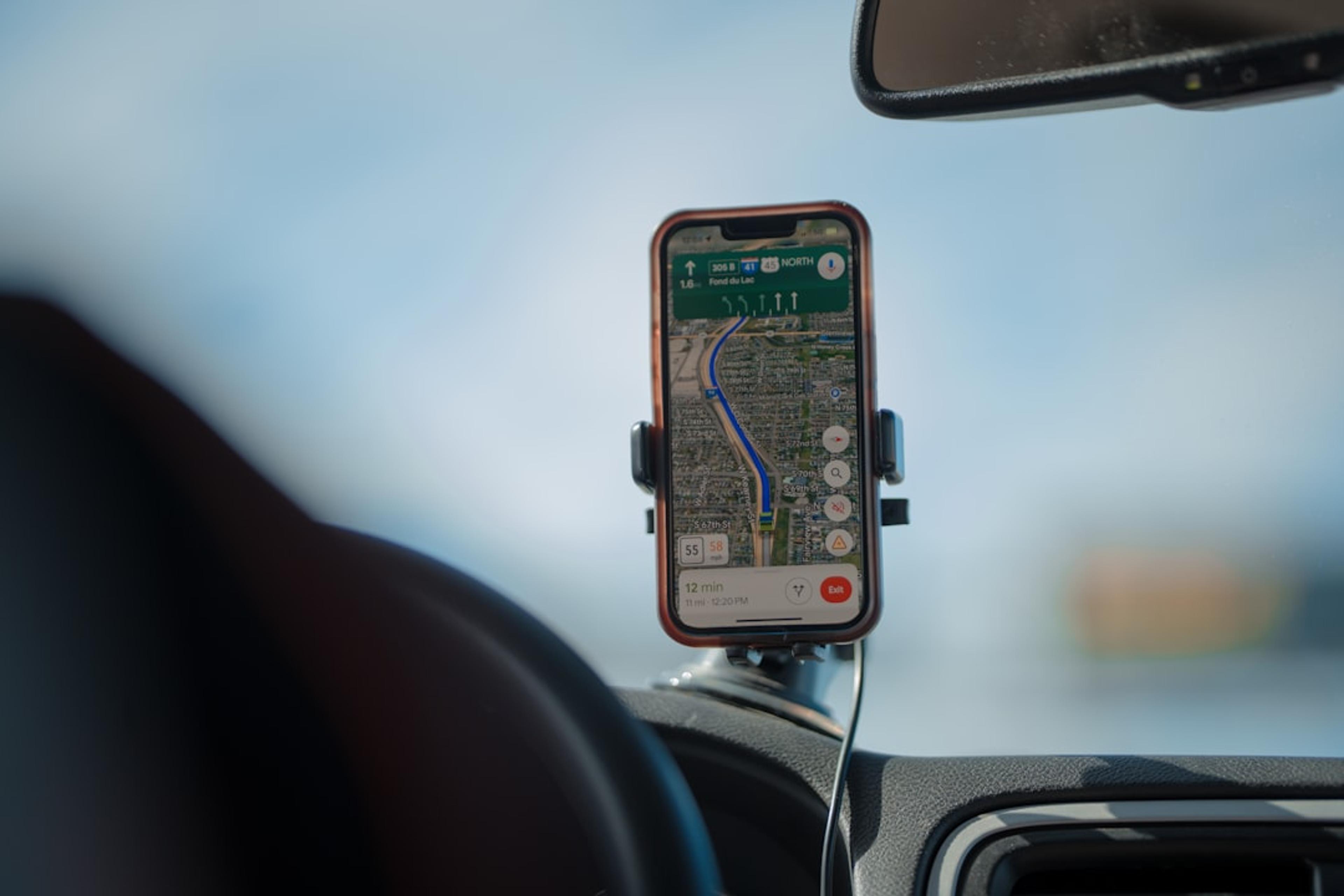
The push towards incorporating cutting-edge technology into everyday driving is set to grow exponentially by 2026. California's commitment to embracing innovation is expected to lead to the widespread adoption of autonomous vehicle technology. While fully autonomous cars may still be years away from becoming mainstream, semi-autonomous features are likely to become more prevalent. These features, which assist with tasks such as parking, navigation, and traffic monitoring, aim to reduce driver fatigue and improve overall driving efficiency. As this technology evolves, drivers will need to understand how to interact with these systems effectively. Platforms like driverpass.ai can provide insights and practical exercises to help users become comfortable with these emerging technologies.
Moreover, the increased integration of vehicle-to-everything (V2X) communication technology is anticipated. This innovation allows vehicles to communicate with each other and with road infrastructure, enhancing traffic management and safety. As this technology becomes more prevalent, drivers will need to be aware of how it functions and the benefits it offers. Keeping up with these advancements through resources such as driverpass.ai can ensure that drivers remain informed and prepared for the future of driving.
Challenges and Opportunities
While these advancements present exciting opportunities for safer and more efficient driving, they also pose challenges. Ensuring that all drivers have access to the necessary education and resources to understand and utilize these technologies will be crucial. Additionally, there will be a need for robust cybersecurity measures to protect against potential vulnerabilities in connected vehicles. By staying informed and prepared, drivers can navigate these challenges and take full advantage of the opportunities presented by technological innovation.
Conclusion: Preparing for the Future
As California gears up to implement these significant changes by 2026, staying informed and prepared is more important than ever. Drivers should take proactive steps to understand the upcoming changes in emissions standards, road safety measures, and technological advancements. Utilizing resources like driverpass.ai can provide invaluable support, offering practice tests, educational materials, and updates on the latest driving laws and technologies. By embracing these changes, drivers can contribute to a safer, cleaner, and more efficient driving environment in California.