Mastering Commercial Vehicle Handling for Seniors by 2026

As the population ages, more seniors are extending their driving careers into the realm of commercial vehicle operation. By 2026, it is expected that the number of seniors handling commercial vehicles will increase significantly. With this shift, it becomes crucial to equip senior drivers with the knowledge and skills necessary to navigate the complexities of commercial vehicle handling. This article aims to provide comprehensive guidance for seniors, covering everything from basic handling techniques to advanced strategies for maintaining safety on the road.
Understanding the Challenges for Senior Drivers
Senior drivers face unique challenges when it comes to operating commercial vehicles. Age-related changes in vision, hearing, and reaction time can impact driving abilities. It's essential to acknowledge these challenges and address them with targeted strategies. For instance, regular health check-ups can ensure that vision and hearing are at optimal levels for safe driving. Additionally, seniors should be aware of their own physical limitations and make adjustments, such as using assistive devices or taking more frequent breaks during long drives. By understanding and adapting to these challenges, senior drivers can continue to handle commercial vehicles safely and effectively.
Moreover, seniors should stay up-to-date with the latest vehicle technologies and safety features. Many modern commercial vehicles are equipped with advanced systems like lane-keeping assist, adaptive cruise control, and blind-spot monitoring. Familiarizing themselves with these technologies can enhance a senior driver's ability to manage a commercial vehicle. It's also important for seniors to participate in regular driving assessments to evaluate their skills and identify areas for improvement. These assessments can be conducted by professional driving instructors who specialize in training older drivers. By taking proactive steps to address these challenges, seniors can continue to enjoy driving while maintaining safety on the road.
Adapting Driving Techniques
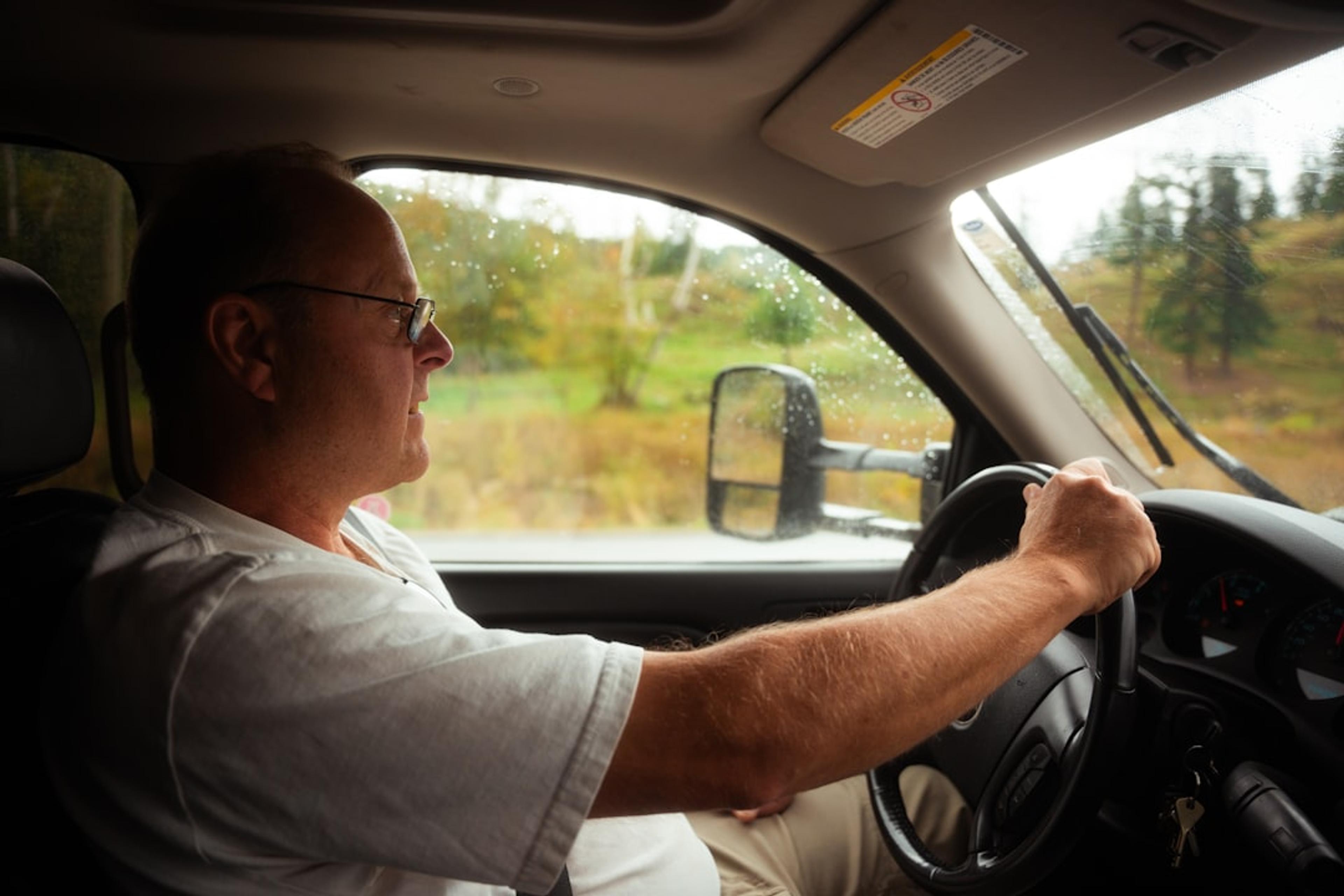
Adapting driving techniques is another critical aspect of commercial vehicle handling for seniors. One effective approach is to practice defensive driving. Seniors should always remain aware of their surroundings, anticipate the actions of other drivers, and maintain a safe following distance. Additionally, senior drivers should be mindful of their speed, especially in adverse weather conditions. Reducing speed during rain, fog, or snow can significantly decrease the likelihood of accidents. Another technique is to avoid driving during peak traffic hours and at night when visibility is lower. By adjusting their driving habits to accommodate their physical capabilities, senior drivers can reduce the risk of collisions and ensure a safer driving experience.
Essential Training and Education Programs
Comprehensive training and education programs are vital for seniors who wish to handle commercial vehicles. Many states offer specialized courses designed to address the needs of older drivers. These courses cover topics such as vehicle handling, traffic laws, and safety protocols. Participating in these programs can help seniors refresh their knowledge and learn new strategies for safe driving. Additionally, some programs offer simulations that allow seniors to practice driving in a controlled environment. These simulations can be particularly beneficial for understanding how to handle a commercial vehicle in various scenarios, such as sudden stops or merging onto a highway. By investing time in these training programs, senior drivers can enhance their skills and confidence behind the wheel.
Furthermore, online resources can provide valuable information and support for senior drivers. Websites and forums dedicated to senior driving often feature articles, videos, and discussion boards where seniors can share experiences and advice. These platforms can be an excellent way for seniors to stay informed about the latest developments in commercial vehicle handling and connect with others who face similar challenges. By leveraging these resources, senior drivers can continue to learn and adapt to the evolving demands of commercial driving.

Tailored Physical Fitness Regimens
Physical fitness plays a crucial role in a senior's ability to handle commercial vehicles. Maintaining a regular exercise routine can improve strength, flexibility, and overall health, which are essential for managing the physical demands of driving. Tailored fitness regimens that focus on core strength, balance, and cardiovascular health can greatly benefit senior drivers. Exercises such as stretching, walking, and strength training can enhance a senior's ability to maneuver a commercial vehicle safely. Additionally, practicing relaxation techniques like yoga or tai chi can help reduce stress and improve focus, further contributing to safe driving practices.
Navigating Legal and Licensing Requirements
Understanding the legal and licensing requirements for commercial vehicle operation is essential for senior drivers. Regulations can vary significantly from state to state, so it's important for seniors to familiarize themselves with the specific requirements in their area. This includes ensuring that they have the appropriate commercial driver's license (CDL) and endorsements for the type of vehicle they intend to operate. In some cases, seniors may need to undergo additional medical evaluations to verify their fitness to drive. Keeping track of license renewal deadlines and staying informed about any changes in regulations can prevent legal complications and ensure that seniors remain compliant with all necessary requirements.
In addition to state-specific regulations, seniors should be aware of federal laws governing commercial vehicle operation. The Federal Motor Carrier Safety Administration (FMCSA) sets forth guidelines for commercial drivers, including hours of service regulations and safety standards. Seniors should take the time to review these guidelines and understand how they apply to their driving activities. By staying informed about legal and licensing requirements, senior drivers can avoid penalties and maintain their ability to operate commercial vehicles legally and safely.

Proactive Health Management
Proactive health management is a key component of safe commercial vehicle handling for seniors. Regular medical check-ups can help identify potential health issues that may affect driving abilities, such as vision impairments, hearing loss, or chronic conditions. Seniors should work closely with healthcare providers to manage these conditions effectively and make any necessary adjustments to their driving habits. Additionally, maintaining a healthy lifestyle through proper nutrition, exercise, and stress management can contribute to overall well-being and enhance driving capabilities. By prioritizing health and wellness, senior drivers can continue to operate commercial vehicles safely and with confidence.
Conclusion: Preparing for the Future
As the number of senior drivers in the commercial vehicle sector continues to grow, it is essential to provide them with the tools and resources necessary for success. By understanding the challenges they face, adapting their driving techniques, and participating in training programs, seniors can continue to handle commercial vehicles safely. Additionally, staying informed about legal requirements and prioritizing health can further support their ability to drive effectively. With the right preparation and mindset, senior drivers can look forward to a future where they remain active and engaged in the commercial driving industry.

