Mastering the DMV Written Test: Your 2026 Comprehensive Guide

The DMV written test is a crucial step in obtaining your driver’s license, and as 2026 approaches, it's essential to be well-prepared. This comprehensive guide will walk you through everything you need to know to master the test, from effective study techniques to understanding state-specific regulations. Whether you're a first-time test-taker or need a refresher, this article provides all the insights and strategies to ensure your success. We'll explore common pitfalls, offer practical tips, and present detailed steps to help you navigate the DMV's requirements with confidence.
Understanding the DMV Written Test Structure
Before diving into study strategies, it's vital to understand the structure of the DMV written test. The test is designed to assess your knowledge of road signs, traffic laws, and safe driving practices. Typically, the test consists of multiple-choice questions, with the exact number varying by state. For instance, California may have 46 questions for new drivers, while New York might present 20 questions. Each question is crafted to evaluate your understanding of driving rules and your ability to apply this knowledge in real-world scenarios. Familiarizing yourself with the format can alleviate test anxiety and improve your performance.
Most states require a passing score of around 80%, meaning you must answer a majority of the questions correctly. It's also important to note that some states incorporate additional sections for specific vehicle types, such as motorcycles or commercial vehicles. Therefore, it's essential to review the specific requirements for your state and the type of license you are pursuing. By knowing what to expect, you can tailor your study plan to focus on areas that carry the most weight in the test.
Effective Study Techniques for the DMV Written Test
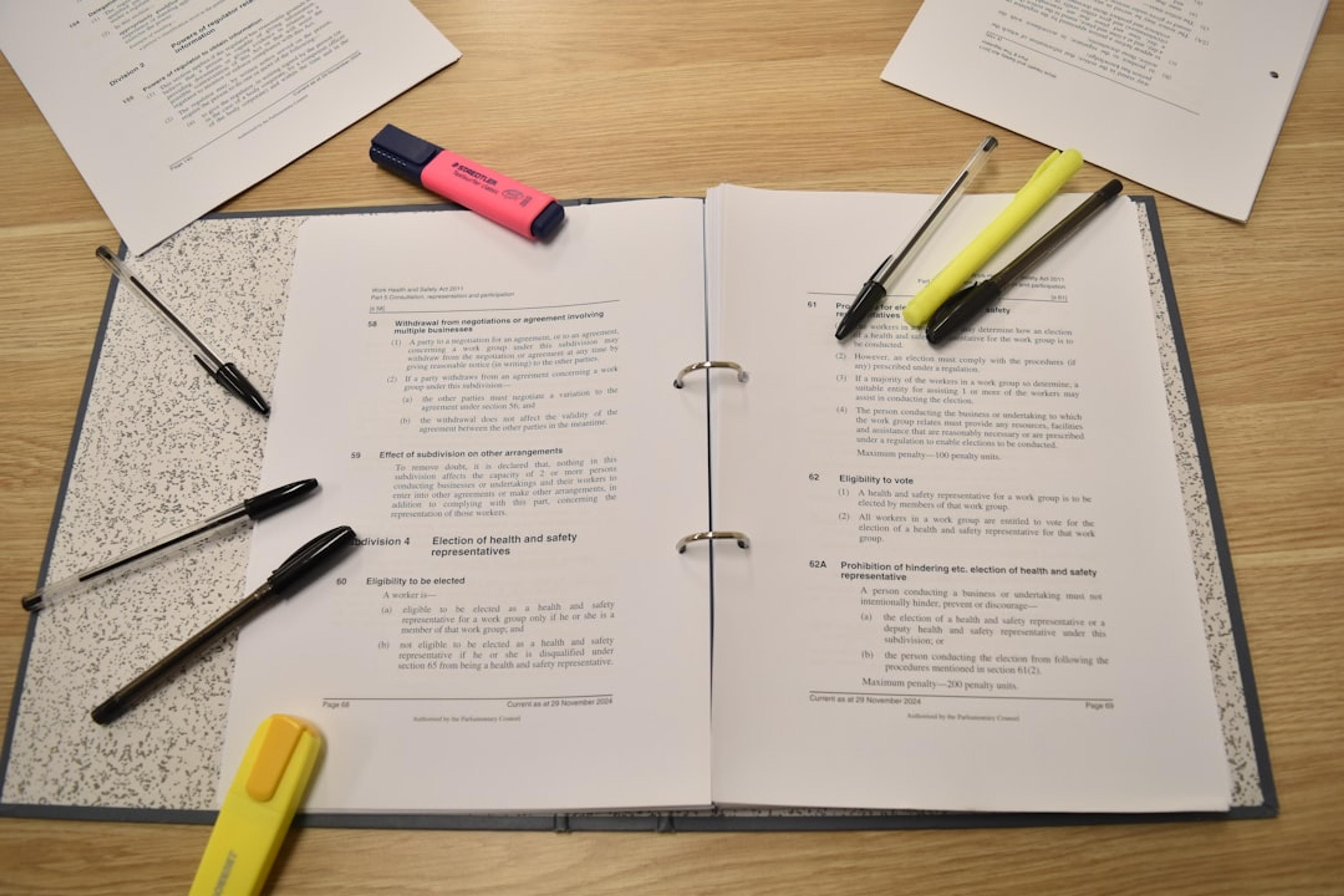
Preparation is key to passing the DMV written test, and adopting effective study techniques can make a significant difference. Start by obtaining the latest version of your state's driver's manual, as it contains all the information you'll need. Review each section thoroughly, paying special attention to road signs and traffic laws. Creating flashcards can aid in memorizing key information, while practice tests can help you become familiar with the test format and identify areas where you need more practice. Online resources, such as DMV practice tests and apps, offer valuable tools to test your knowledge regularly.
In addition to studying the manual, consider joining a study group or attending a driving school. These options provide opportunities for interactive learning, where you can ask questions and receive feedback from experienced instructors. Visual learners may benefit from watching educational videos that demonstrate real-life driving scenarios. Ultimately, the goal is to engage with the material in multiple ways, ensuring a comprehensive understanding of the content. Consistent, varied study habits will give you the confidence needed to tackle the written test successfully.
Utilizing Practice Tests to Your Advantage
Practice tests are an invaluable resource when preparing for the DMV written test. They mimic the format and style of the actual exam, allowing you to become comfortable with the types of questions you will encounter. Start by taking a baseline test to assess your initial knowledge level. As you study, retake practice exams to track your progress and pinpoint areas that require additional focus. Aim to achieve consistently high scores on these practice tests before scheduling your actual exam. This will not only boost your confidence but also ensure that you are thoroughly prepared for the test day.
Common Mistakes to Avoid During the DMV Written Test
Understanding common pitfalls can help you avoid costly mistakes on test day. One of the most frequent errors is rushing through questions, leading to misinterpretation and incorrect answers. Take your time to read each question carefully, ensuring you fully understand what is being asked before selecting an answer. Another mistake is changing answers without a solid reason. Your first instinct is often correct, so only revise an answer if you're sure it's wrong. Additionally, many test-takers forget to review the state-specific laws that might not be as intuitive as general driving rules. Allocate extra study time to these areas to ensure a well-rounded preparation.
Test anxiety can also play a significant role in performance, so it's crucial to manage stress leading up to and during the test. Practice deep breathing techniques or visualization exercises to calm your nerves. Arrive at the testing center early to get settled and avoid feeling rushed. Remember, preparation is your best defense against anxiety. The more confident you are in your knowledge, the less likely you are to let nerves affect your performance.

Strategies for Overcoming Test Anxiety
It's normal to feel anxious about taking the DMV written test, but there are strategies to help manage these feelings. First, ensure that you are well-prepared by following a structured study plan. On the day of the test, engage in relaxing activities such as meditation or listening to calming music. Positive visualization can also be effective; picture yourself successfully completing the test and receiving your passing score. During the exam, if you feel overwhelmed, take a moment to breathe deeply and refocus. Remember, the DMV written test is just one step in your driving journey, and with the right preparation, you can overcome any anxiety and succeed.
State-Specific Requirements and Variations
Each state has its own set of rules and requirements for the DMV written test, so it's crucial to familiarize yourself with these details well in advance. Some states may have unique traffic laws or additional testing components, such as vision or hearing tests. Researching the specific requirements for your state will ensure you're not caught off guard on test day. For instance, while most states require a standard knowledge test, others might include a supplementary test for specific endorsements or license types. Checking online resources or contacting your local DMV office can provide the latest information on what to expect.
Additionally, some states offer the written test in multiple languages, which can be a significant advantage for non-native English speakers. If applicable, take advantage of this option to improve your comprehension and performance. Understanding the nuances of your state's process, including scheduling procedures and required documentation, will streamline your experience and reduce unnecessary stress. By being proactive and informed, you'll be well-equipped to handle any state-specific challenges you might encounter.
Conclusion: Taking the Next Steps Toward Your License
Preparing for the DMV written test in 2026 requires thorough understanding and dedicated study. By using effective study techniques, avoiding common mistakes, and understanding state-specific requirements, you can approach the test with confidence. Remember, the written test is just the beginning of your driving journey. Passing it opens the door to gaining practical driving experience and ultimately earning your full driver's license. Stay committed to your preparation, and soon you'll be navigating the roads with newfound independence and skill. Good luck!

