Understanding Electric Vehicle Charging and Range

Electric vehicles (EVs) have become an integral part of the modern transportation landscape, offering a sustainable alternative to traditional gasoline-powered cars. As more drivers consider making the switch to electric, understanding the intricacies of EV charging and range becomes crucial. This comprehensive guide delves into the factors affecting electric vehicle range, the different types of charging options available, and practical tips for maximizing efficiency. Whether you're a prospective EV owner or a seasoned driver, gaining insights into these aspects will enhance your driving experience and help you make informed decisions about your vehicle.
Types of Electric Vehicle Chargers
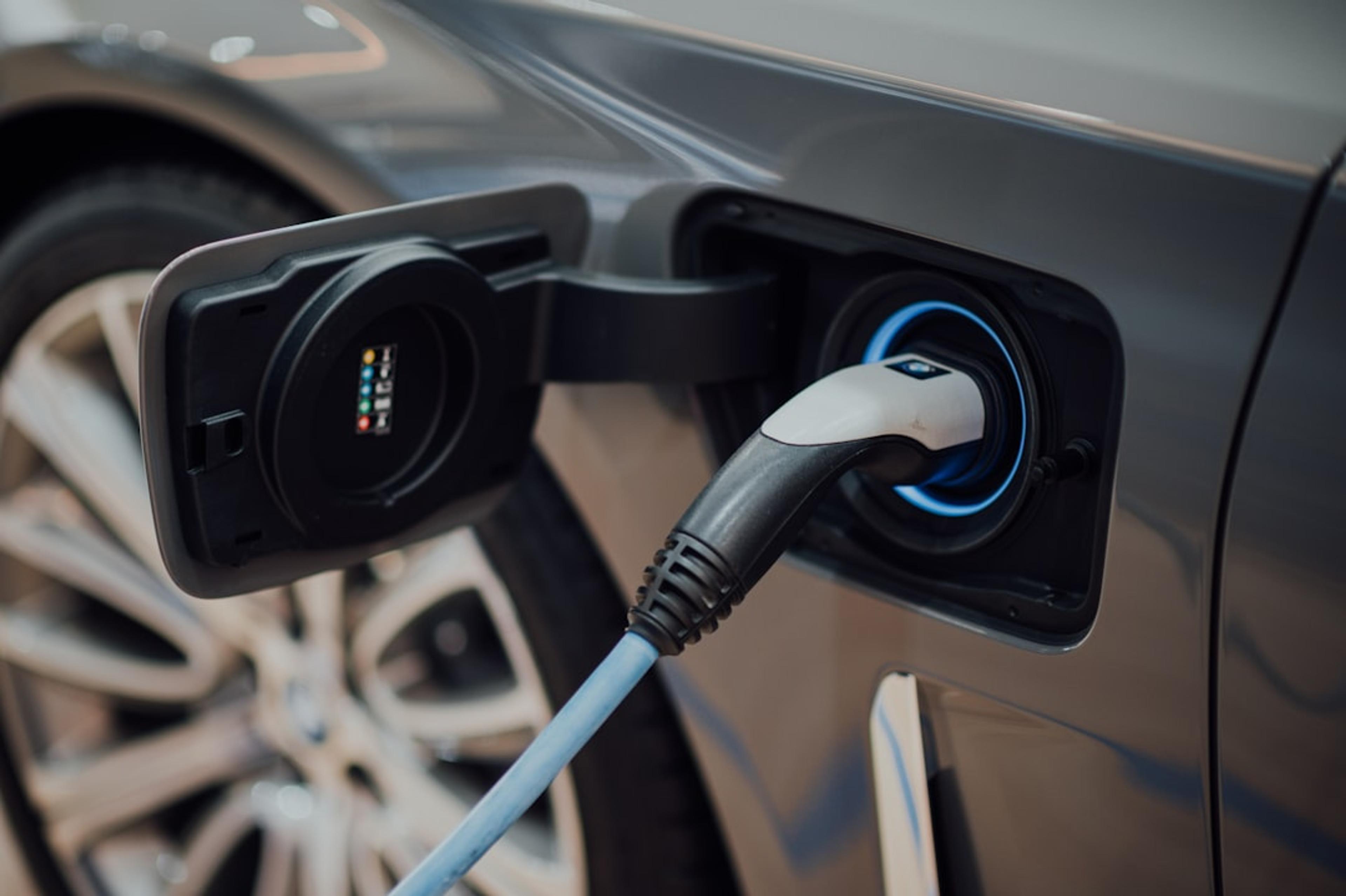
Electric vehicles can be charged using various types of chargers, each offering different levels of power and charging speeds. The most common types are Level 1, Level 2, and DC Fast Chargers. Level 1 chargers use a standard household outlet and are the slowest, typically adding about 2 to 5 miles of range per hour of charging. These are ideal for overnight home charging when you have plenty of time to replenish the battery. Level 2 chargers, on the other hand, require a dedicated 240-volt outlet, similar to those used by large home appliances. They charge significantly faster, providing about 10 to 60 miles of range per hour. These chargers are often found at public charging stations and can also be installed at home for convenience. DC Fast Chargers represent the fastest option, delivering up to 80% charge in around 30 minutes. They are primarily located along major highways, making them perfect for long-distance travel. Understanding the differences and choosing the right charging option based on your driving habits is essential for efficient electric vehicle use.
When considering charging infrastructure, it's important to note the growing network of public charging stations. Many urban areas now offer a variety of charging points, including workplace chargers and public parking facilities equipped with Level 2 or DC Fast Chargers. Apps and websites can help locate these stations, providing real-time availability and pricing information. Additionally, some electric vehicle manufacturers offer proprietary charging networks, such as Tesla's Supercharger network, providing a seamless charging experience for their customers. Investing in a home Level 2 charger can also be a wise decision for those who regularly commute or have limited access to public chargers. It's important to consider local regulations and incentives when installing a home charger, as some regions offer rebates or tax credits to offset installation costs.
Installation of Home Charging Stations
Installing a home charging station involves several steps. First, you’ll need to assess your electrical system’s capacity to ensure it can handle the additional load. Consulting with a licensed electrician is crucial to determine if upgrades are necessary. Next, select a suitable location for the charger, ideally close to the vehicle's parking spot. Consider weather protection and ease of access when making this decision. Once the electrical work is complete, you can purchase and install the charger. Many manufacturers provide installation services or can recommend certified professionals. Be sure to check for any local permits required for installation. Finally, test the system to ensure proper operation and familiarize yourself with its features, such as scheduling and remote monitoring capabilities.
Factors Affecting Electric Vehicle Range
The range of an electric vehicle is influenced by several factors, including battery capacity, driving habits, and environmental conditions. Battery capacity is a primary determinant of range, with larger batteries capable of storing more energy and thus providing longer driving distances. However, larger batteries also mean increased vehicle weight, which can impact efficiency. Driving habits play a significant role in range optimization. Aggressive driving, such as rapid acceleration and high-speed travel, consumes more energy, reducing range. Conversely, maintaining a steady speed and employing regenerative braking can help extend range. Environmental conditions, such as temperature, also affect battery performance. Cold weather can reduce battery efficiency, decreasing range, while extreme heat can accelerate battery degradation over time. Planning trips with these factors in mind can help maximize your vehicle's range.
Understanding how to mitigate range anxiety is critical for electric vehicle drivers. Range anxiety refers to the fear of running out of battery power before reaching a charging station. To alleviate this concern, plan routes that include charging stations and ensure your vehicle is fully charged before long trips. Use navigation apps that offer real-time updates on charging station availability and traffic conditions. Additionally, many modern electric vehicles come with range prediction tools that provide estimates based on current driving conditions and habits. Familiarizing yourself with these features can enhance your confidence in managing range effectively.
Optimizing Battery Life and Efficiency
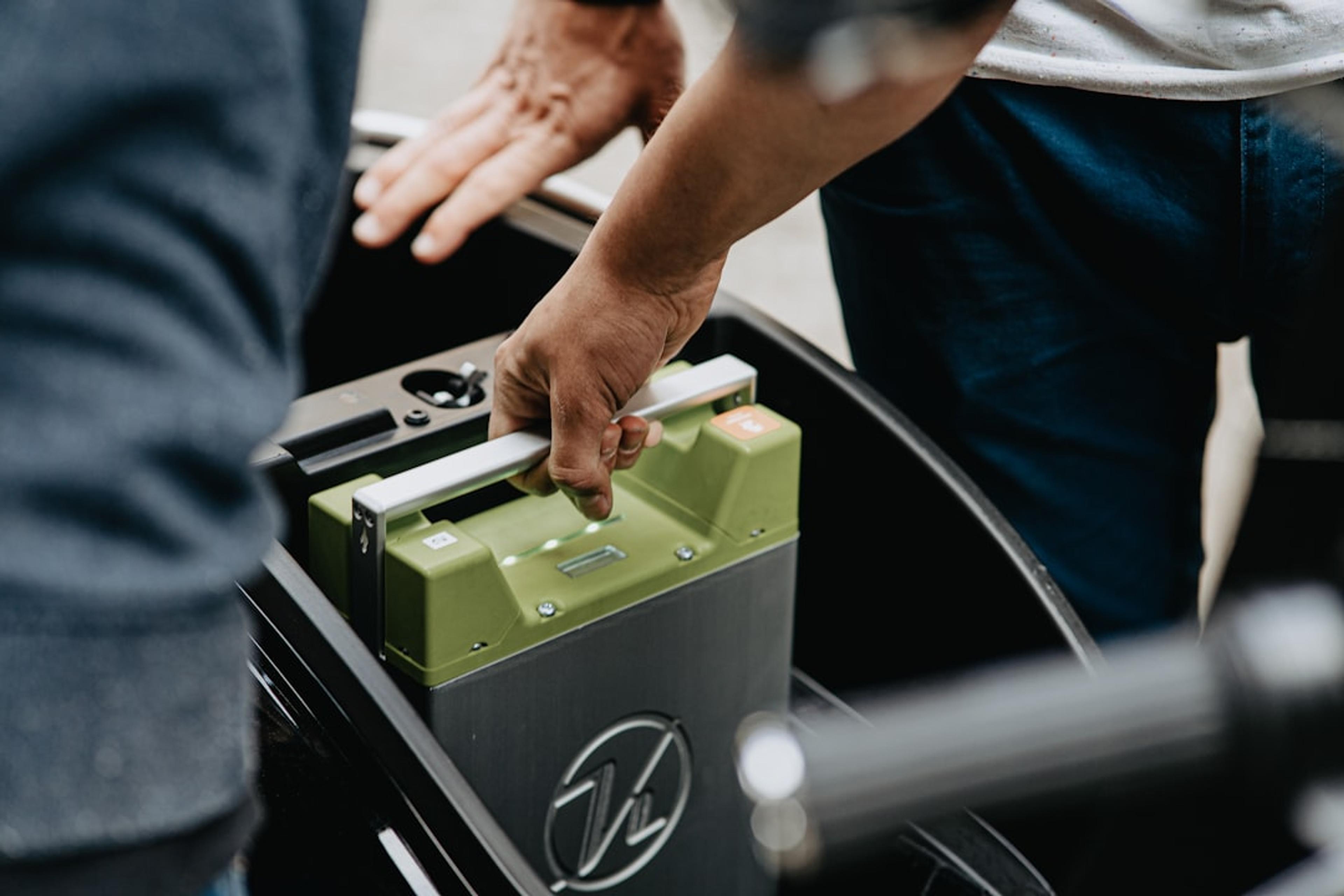
To optimize battery life and maintain efficiency, regular maintenance and mindful driving practices are essential. Avoid frequent deep discharges of the battery, as this can accelerate degradation. Instead, try to keep the battery charged between 20% and 80% for daily use, reserving full charges for long trips. Use preconditioning features to warm or cool the battery while the vehicle is plugged in, reducing the energy used for climate control while driving. Regular software updates provided by the manufacturer can also improve efficiency and extend battery life. Monitoring energy consumption and using eco-friendly driving modes can further enhance range and efficiency.
The Future of Electric Vehicle Technology
As the electric vehicle market continues to grow, advancements in technology promise to enhance charging infrastructure and range capabilities. Research and development are focused on improving battery technology, with solid-state batteries and other innovations on the horizon that promise greater energy density and faster charging times. Wireless charging is another area of interest, offering the potential for more convenient, cable-free charging solutions. Autonomous driving technology is also being integrated with electric vehicles, providing opportunities for more efficient energy use through optimized driving patterns. Governments and private companies are investing in expanding charging networks, making electric vehicles more accessible to the general public. These developments will likely lead to more affordable and practical electric vehicle options, further accelerating the transition to sustainable transportation.
In the coming years, electric vehicles are expected to become even more prevalent, supported by favorable policies and incentives aimed at reducing carbon emissions. Consumers can look forward to a wider variety of models catering to different needs and budgets, from compact city cars to luxury SUVs. As the industry evolves, staying informed about new technologies and best practices for electric vehicle ownership will be crucial for maximizing the benefits of these innovative vehicles.
Conclusion
Understanding the nuances of electric vehicle charging and range is essential for current and prospective EV owners. By familiarizing yourself with the types of chargers available, factors affecting range, and best practices for maintaining battery health, you can optimize your electric vehicle experience. As technology continues to advance, staying updated on new developments will ensure you make the most of your electric vehicle, contributing to a more sustainable future.

