Mastering Speed Adjustments in Curves: A 2026 Driving Guide

Navigating curves is a fundamental skill every driver must master, not just to pass the driving permit test, but to ensure safety on the road. As we approach 2026, understanding how to adjust your speed correctly in curves has become even more crucial due to the evolving driving conditions and increased traffic on roadways. This guide will provide you with comprehensive insights into managing your speed in curves, helping you ace your driving test and become a more confident driver.
Understanding the Dynamics of Curves
When driving through curves, several forces act upon your vehicle, which can affect your control and stability. The centrifugal force pushes your car outward, which can lead to a loss of traction if your speed is not properly managed. Understanding these dynamics is vital to maintaining control. Experienced drivers know to adjust their speed before entering a curve to accommodate these forces. The sharper the curve, the slower you should go. This adjustment helps ensure that your tires maintain optimal contact with the road, reducing the risk of sliding or skidding. Additionally, weather conditions like rain or ice can amplify these effects, necessitating even greater caution and speed reduction.
In addition to speed, other factors such as your car's weight distribution, tire condition, and the road's banking angle also play significant roles in how you should handle curves. For instance, a banked curve can help counteract some of the centrifugal force, allowing for slightly higher speeds. However, this doesn't mean you should ignore speed adjustments. Always anticipate the curve's exit by looking ahead, which will allow you to adjust your steering and speed smoothly without sudden movements that could destabilize the car.
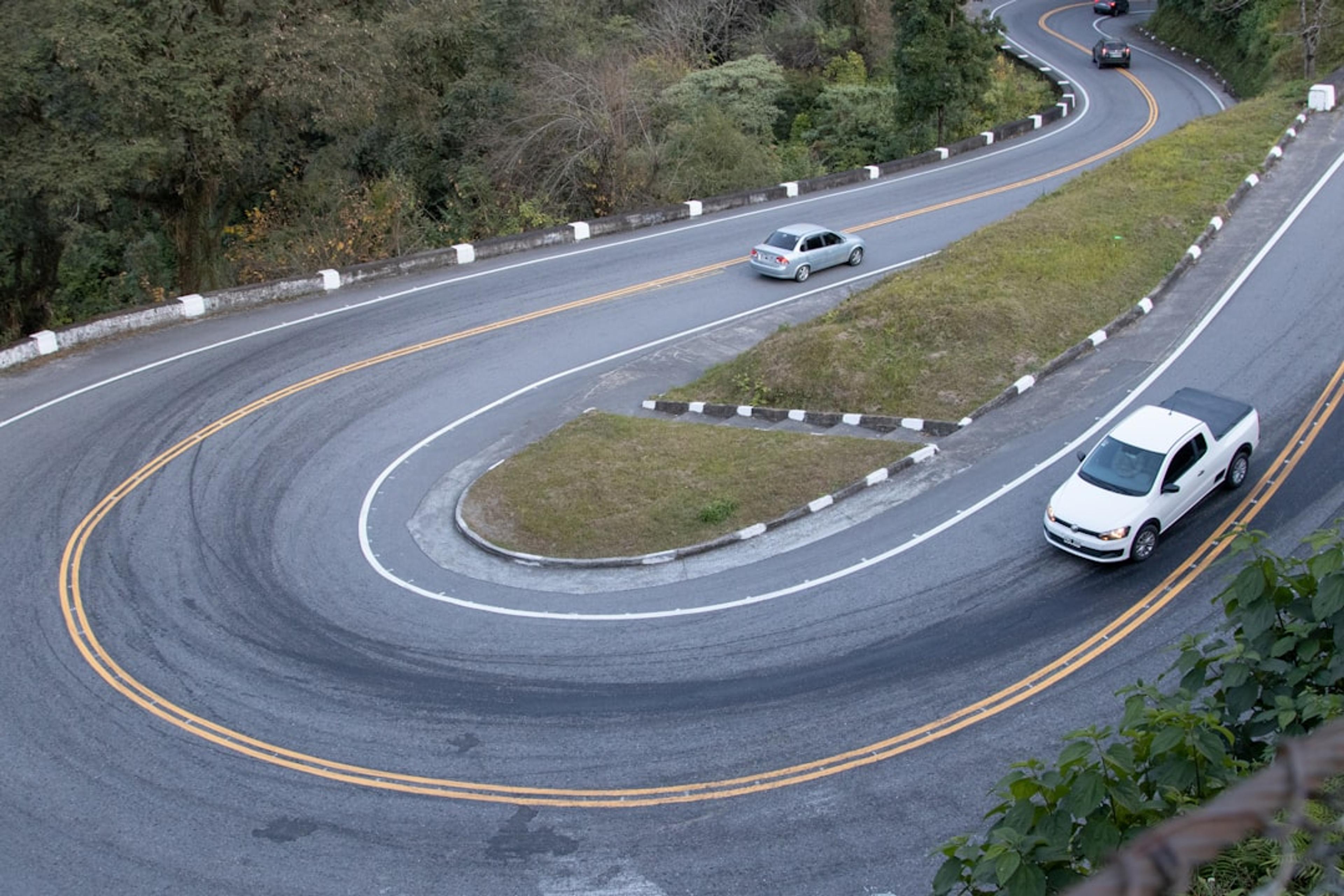
Pro Tip: Use Your Brakes Wisely
Braking in the midst of a curve can lead to loss of control, especially if done abruptly. It's crucial to decelerate before you reach the curve and coast through it. If braking is necessary while in the curve, do so gently and progressively to avoid unsettling the vehicle's balance. This technique is particularly important in modern vehicles equipped with anti-lock braking systems (ABS), which can help maintain control if used correctly.
Techniques for Safe Speed Adjustments
To effectively manage speed through curves, consider employing the 'slow in, fast out' technique. This method involves entering the curve at a reduced speed and accelerating smoothly as you exit. It provides better control and allows for quicker response to unexpected obstacles or changes in road conditions. Start by gradually reducing your speed as you approach the curve, using engine braking and light pressure on the brake pedal if necessary. As you navigate through the curve, maintain a steady speed and prepare to accelerate gently as you exit, ensuring your vehicle is aligned with the road.
Another vital aspect of curve management is steering. Ensure your hands are correctly positioned on the steering wheel, typically at the '9 and 3' position, to maximize control. This grip allows for precise steering adjustments and quick reactions to unexpected events. As you progress through the curve, steer smoothly and avoid jerky movements that might upset the vehicle's balance. Remember, the key is to keep your actions smooth and deliberate, which will enhance both safety and comfort.

Common Mistakes to Avoid
One of the most frequent mistakes drivers make is entering a curve at too high a speed. Overestimating your vehicle's grip and the curve's severity can lead to dangerous situations such as understeering or oversteering. To avoid this, always err on the side of caution by slowing down more than you think is necessary. Additionally, avoid late braking, which can cause panic and abrupt maneuvers. Instead, plan your deceleration early, allowing ample time to adjust before reaching the curve.
Preparing for the 2026 Driving Permit Test
The 2026 driving permit test will likely place a strong emphasis on safe driving techniques, including speed adjustments in various driving conditions. To prepare, practice driving through different types of curves in diverse weather conditions. This hands-on experience will help you understand how your vehicle responds and how to adjust your speed effectively. Pay particular attention to feedback from the car, such as changes in steering feel or tire noise, which can indicate how well you're managing the curve.
Consider taking a defensive driving course, which often covers advanced techniques for handling curves and other challenging driving scenarios. These courses can provide valuable insights and practice opportunities that enhance your driving skills and boost your confidence. Additionally, familiarize yourself with the specific requirements of your state's driving test, as some may include practical assessments of your ability to manage speed in curves.

State-Specific Requirements
Different states may have varying requirements for their driving tests. For example, some may require demonstrating proficiency in both urban and rural settings, each presenting unique curve challenges. Check with your local DMV for specific guidelines and practice areas to focus on. Understanding these requirements can help you tailor your practice sessions and ensure you meet all necessary criteria.
Conclusion: Becoming a Master of Curves
Mastering speed adjustments in curves is a critical component of safe driving and a key skill for passing your 2026 driving permit test. By understanding the dynamics at play, employing effective techniques, and avoiding common mistakes, you'll enhance your ability to handle curves with confidence. Whether you're a new driver preparing for your test or an experienced driver looking to refine your skills, these strategies will serve as a solid foundation for safe and efficient driving.

