Understanding West Virginia's Parking Rules and Regulations

Navigating parking regulations can be a complex task for both residents and visitors in any state. As we look towards 2026, understanding West Virginia's parking rules becomes crucial for avoiding fines and ensuring compliance with state laws. This article provides a detailed examination of parking regulations in West Virginia, including enforcement practices, common violations, and practical tips for staying on the right side of the law. With ever-evolving regulations, staying informed about the rules governing parking can save you time, money, and hassle.
Overview of West Virginia Parking Regulations
West Virginia's parking regulations are designed to ensure safety, accessibility, and order on the roads. As of 2026, these rules encompass various aspects such as residential parking, commercial zones, and specific requirements for handicap parking. Enforcement officers are tasked with monitoring compliance, issuing fines, and managing parking permits. Understanding these regulations is essential for all drivers to avoid unnecessary penalties and contribute to smoother traffic flow. Key areas include designated parking zones, time-limited parking areas, and special considerations for emergency vehicles.
One of the primary focuses of West Virginia's parking rules is residential parking. In many urban areas, residents require permits to park on streets near their homes. These permits are typically issued by local municipalities and are subject to renewal and specific conditions. In addition to residential areas, commercial zones have their own set of rules, often limiting parking times to facilitate business operations and customer turnover. Understanding the specific requirements for each type of parking area is crucial for compliance.
Handicap Parking Regulations
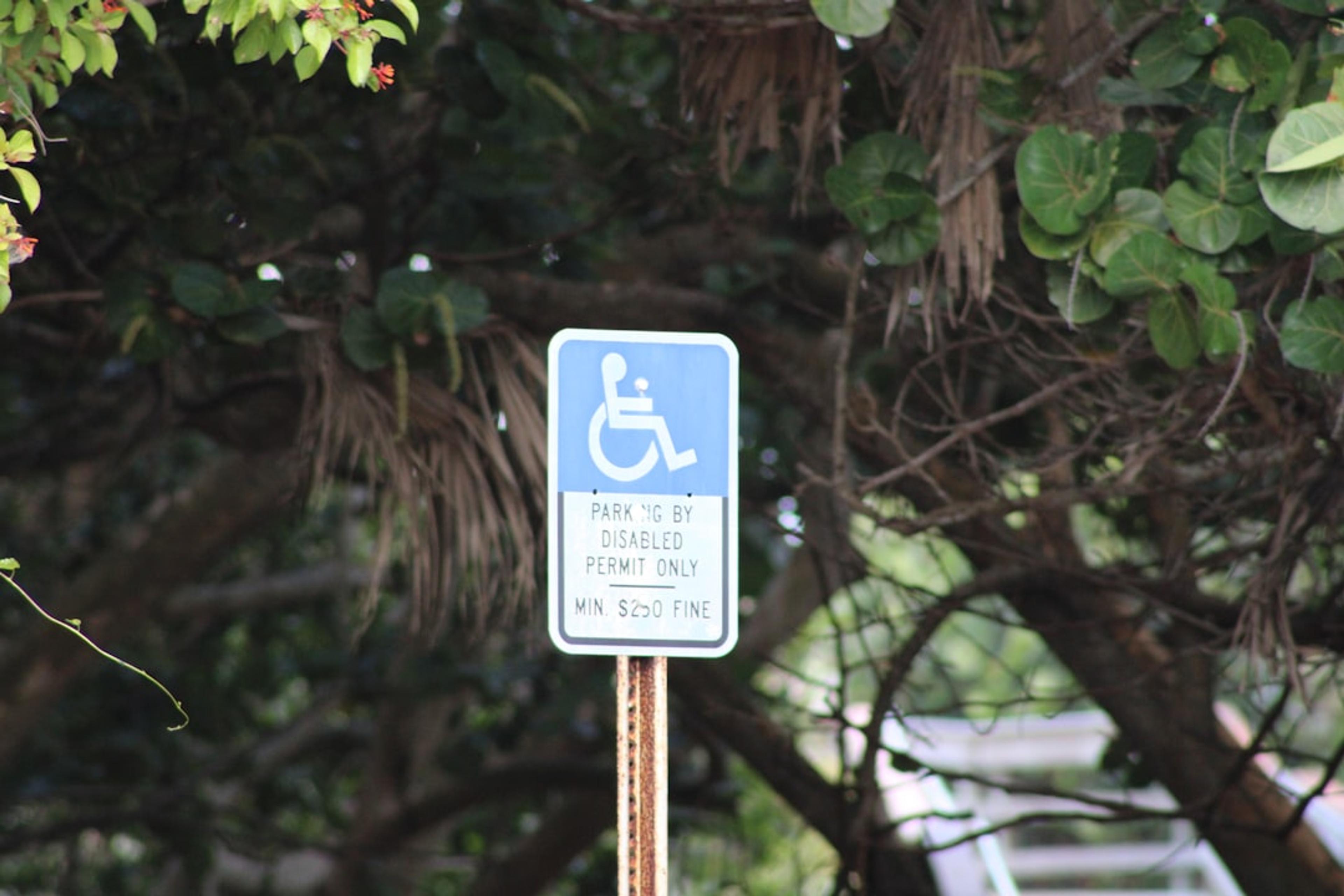
Handicap parking in West Virginia is strictly regulated to ensure accessibility for individuals with disabilities. Designated handicap parking spaces are clearly marked and require a valid handicap placard or license plate for use. Misuse of these spaces can result in significant fines and penalties. In 2026, the state emphasizes the importance of respecting these spaces and ensuring they remain available for those who genuinely need them. Drivers should be aware of the legal implications and always display the proper credentials when using handicap parking areas.
Parking Enforcement and Violation Consequences
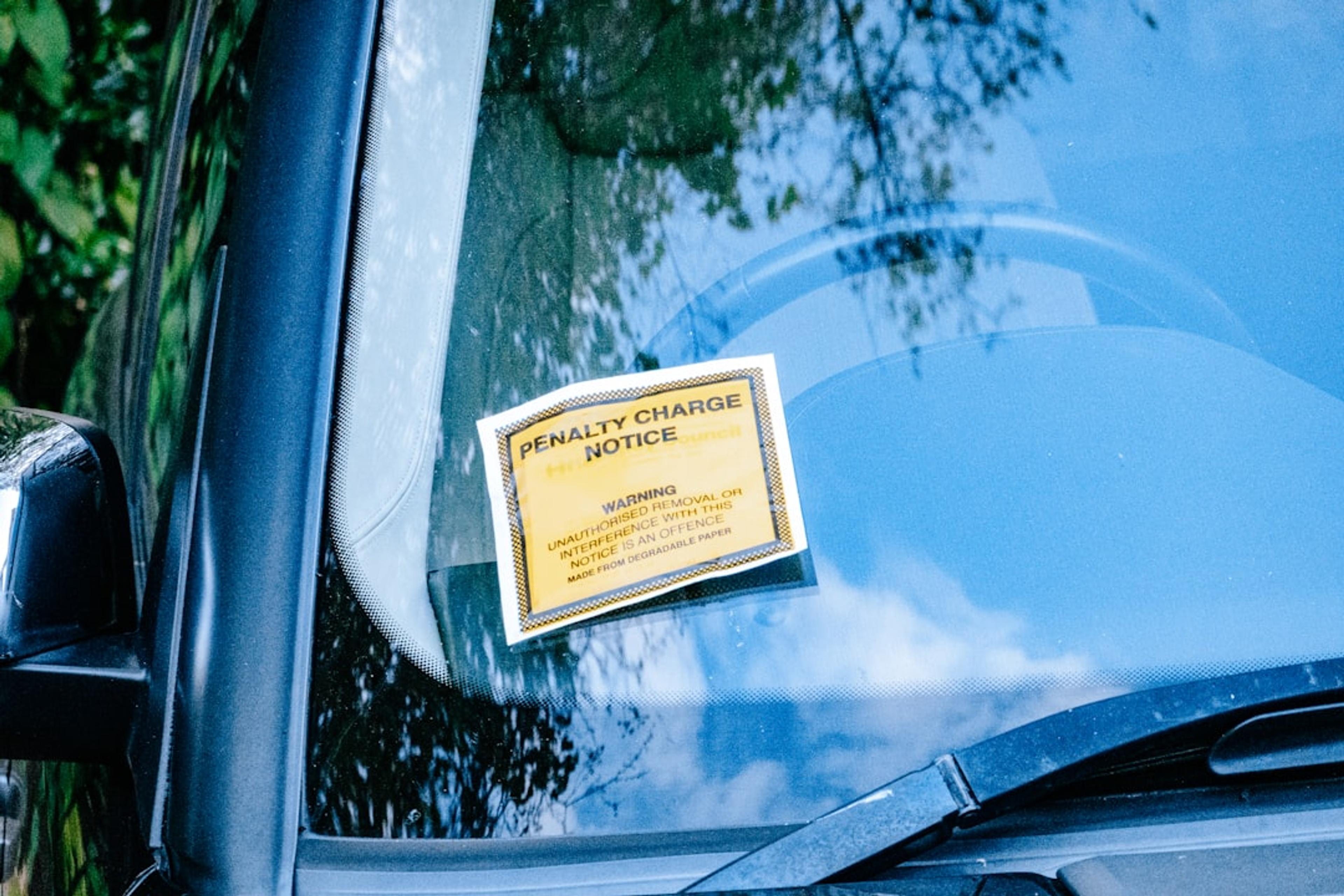
Parking enforcement in West Virginia is handled by local law enforcement agencies and parking authorities. These entities are responsible for issuing tickets, managing parking zones, and ensuring compliance with state regulations. Parking violations can range from minor infractions, such as expired meters, to more serious offenses like blocking fire hydrants or parking in no-parking zones. The consequences for parking violations typically include fines, which vary depending on the severity of the offense and the jurisdiction in which it occurs.
In addition to fines, repeated violations can lead to more severe consequences, such as vehicle impoundment or suspension of driving privileges. It's important for drivers to understand the enforcement mechanisms in place and take proactive steps to avoid violations. This includes being aware of local parking signs, adhering to time restrictions, and ensuring that all parking permits are up to date. Staying informed and vigilant can help drivers avoid costly penalties and maintain a clean driving record.
Common Parking Mistakes to Avoid
Many drivers make simple mistakes that can lead to parking violations and fines. Common errors include parking in restricted zones, failing to pay for metered parking, and not adhering to time limits in designated areas. Another frequent mistake is improper use of handicap parking spaces, which can carry hefty penalties. Drivers should always read parking signs carefully, check for any restrictions, and ensure they are parked legally. By taking these precautions, drivers can avoid unnecessary fines and contribute to a more orderly parking environment.
Obtaining and Using Parking Permits
Parking permits play a crucial role in West Virginia's parking regulations, particularly in residential and commercial areas. These permits are issued by local authorities and are often required for long-term parking in certain zones. To obtain a parking permit, applicants typically need to provide proof of residency or business operation in the area. The process may involve filling out an application, paying a fee, and adhering to any specific conditions set by the issuing authority. Permits must be displayed clearly on the vehicle to avoid violations.
Using parking permits properly is essential for compliance with West Virginia's parking regulations. This includes ensuring that permits are valid, displayed prominently, and used only in designated areas. Failure to comply with these requirements can result in fines or revocation of the permit. Drivers should regularly check the status of their permits and renew them as necessary to avoid any disruptions in their parking privileges. Staying informed about permit requirements and changes in regulations can help prevent potential issues.
Pro Tips for Managing Parking in West Virginia
Managing parking effectively requires a combination of knowledge, planning, and vigilance. Here are some pro tips for navigating West Virginia's parking landscape: First, always plan ahead and check for parking availability and restrictions before reaching your destination. Consider using parking apps to find real-time information on parking spaces and meter rates. Second, keep track of time limits and ensure your vehicle is moved or metered payments are updated to avoid fines. Finally, stay informed about any changes in local parking regulations, as these can affect where and how you park.
Conclusion: Staying Compliant with Parking Rules
Understanding and adhering to West Virginia's parking rules is essential for avoiding fines and ensuring a smooth driving experience. By staying informed about regulations, utilizing parking permits properly, and avoiding common mistakes, drivers can contribute to a safer and more organized parking environment. With proactive planning and a keen awareness of local laws, you can navigate West Virginia's streets confidently and avoid the pitfalls of parking violations.

